
Practical Guidance for Everyday Disruption
UK Prepared’s home resilience advice focuses on practical steps that are useful in ordinary life as well as during power cuts, water outages, severe weather and other disruption. The aim is to make homes cheaper to run, easier to manage when services fail and less dependent on a single source of power, heat, communications, food or water. Start with the changes that solve a real problem in your household, then build resilience gradually rather than trying to prepare for everything at once.
Not Sure Where to Begin? Start HereBuilding a More Resilient Home
Household resilience does not have to begin with expensive equipment or major building work. It can start with knowing what to do in a power cut, keeping enough drinking water at home, reducing wasted electricity, stopping unnecessary heat loss or making sure phones and other useful devices can still be charged when the mains supply is unavailable. Small improvements often solve everyday problems at the same time as making a household better prepared for disruption.
The most useful approach is to work in layers. Deal first with common problems and obvious weak points, then decide whether longer-term changes are worthwhile. A household in a rural area may put more emphasis on backup power and water, while someone in a flat may have tighter storage limits and fewer options for fixed equipment. Renters, families, older people and households that rely on powered medical or communications equipment may also need different priorities.
The UK Government’s Prepare guidance covers household emergency planning, useful supplies, power cuts, water outages and practical steps that can be taken before disruption occurs. For energy costs and household supply issues, Ofgem’s household energy guidance provides current information on energy bills, efficiency, power cuts, support schemes and consumer rights.
UK Prepared’s advice guides bring these subjects together from the point of view of the home. You will find guidance on electricity use, heating, backup power, emergency food and water, communications and household planning, with more topics added as the site develops. Where a checklist, calculator or planning tool is more useful than another article, use our Resources. Where equipment genuinely helps, our Buying Guides compare practical options without assuming that the most expensive product is the right one.
Latest Advice
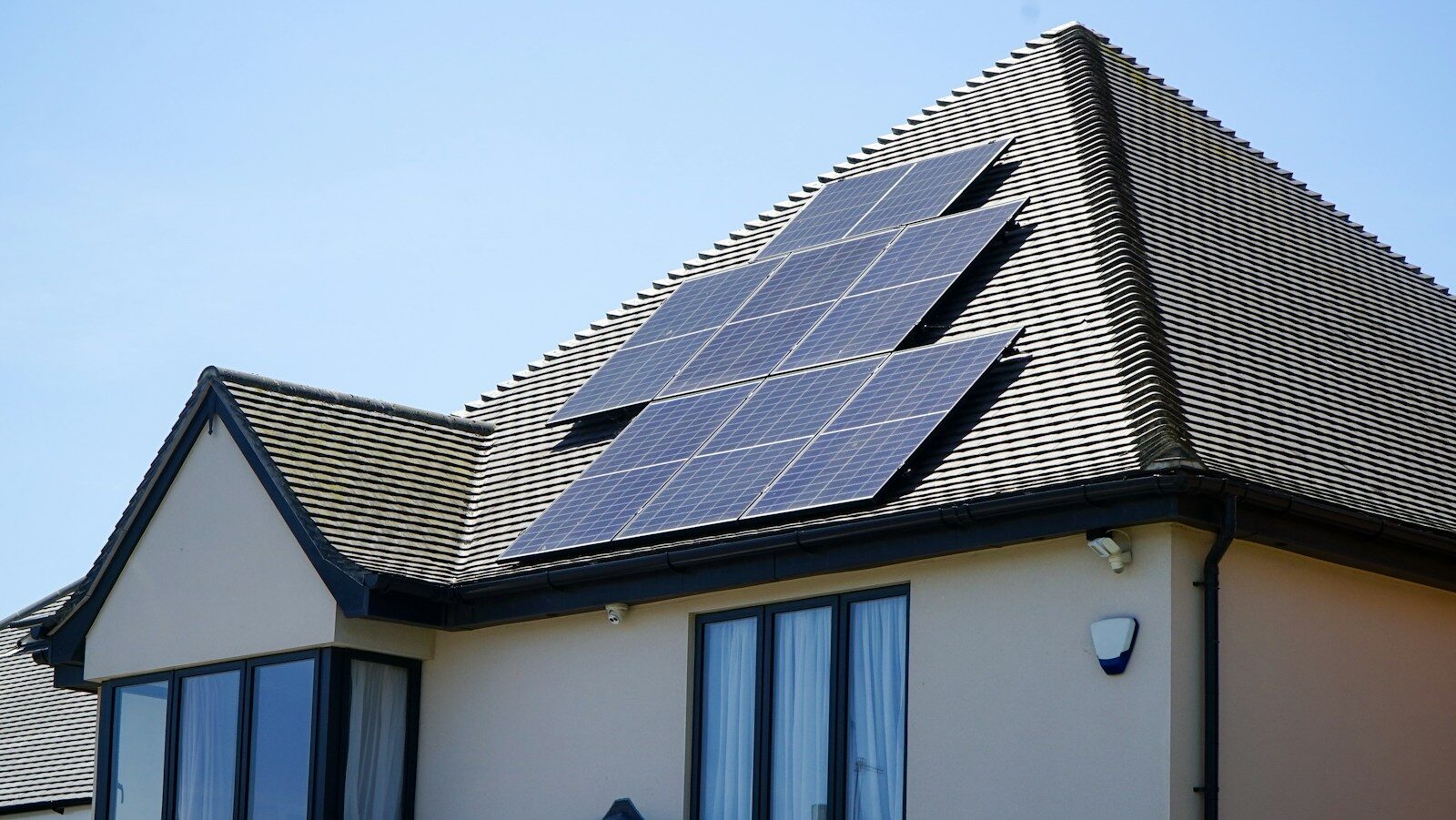
Is Solar Power Worth It for a UK Home?
26 September 2026
A practical UK guide to deciding whether rooftop solar is worth buying, with current costs, indicative payback periods, roof and usage checks, export payments, battery economics and the equipment needed for power-cut backup.

Do Solar Panels Work During a Power Cut?
26 September 2026
Most UK solar systems stop supplying a home during a power cut. This guide explains why, how island-mode backup works, whether a battery is enough and what to ask an installer before relying on solar in an outage.
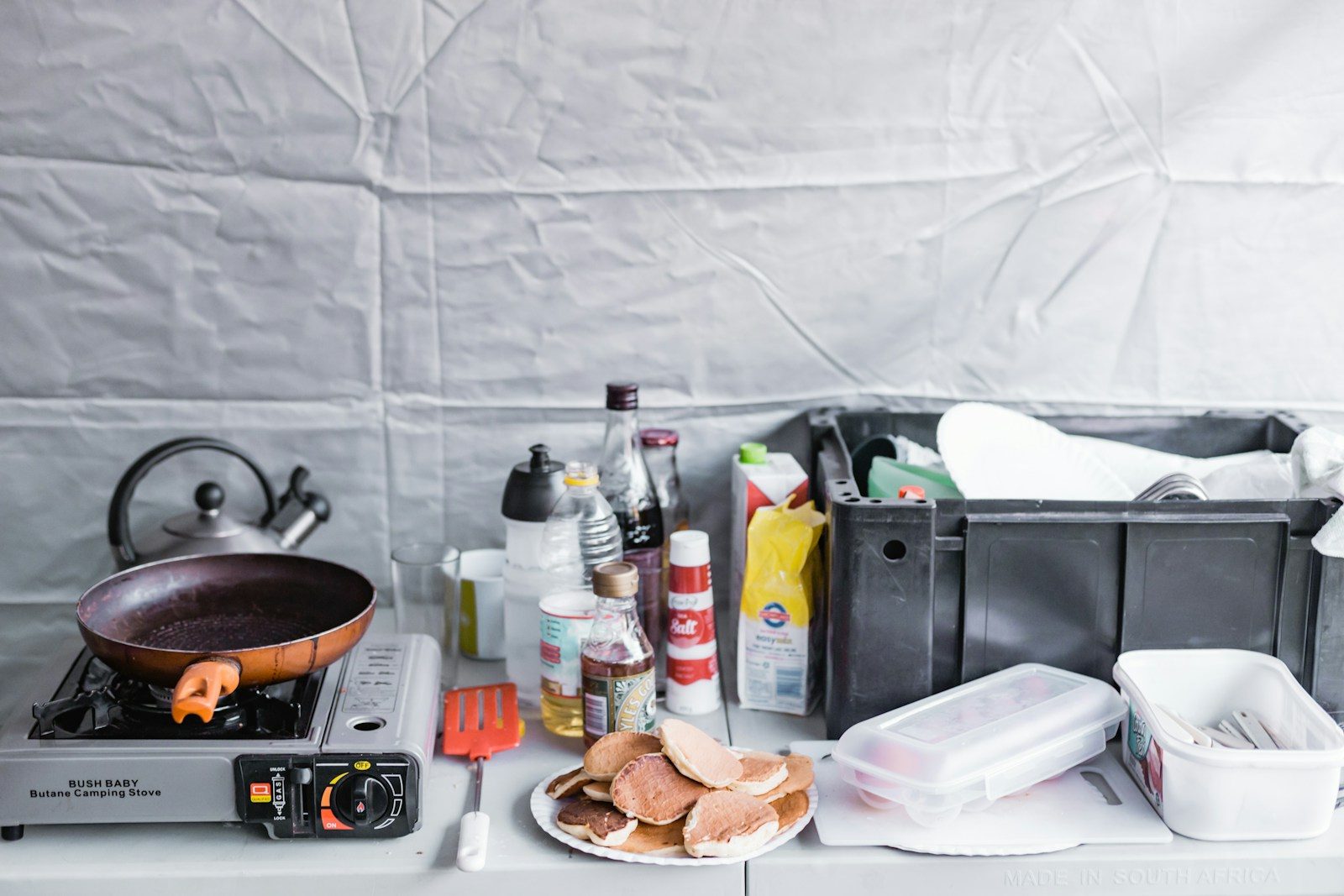
Emergency Cooking During a Power Cut
10 September 2026
A practical UK guide to emergency cooking during a power cut, including safe indoor options, outdoor stove precautions, battery-powered cooking and food-hygiene priorities.

How to Store Drinking Water Safely
10 September 2026
A practical UK guide to storing emergency drinking water, including bottled-water rotation, refillable-container hygiene, safe storage locations and warning signs that water should not be used.
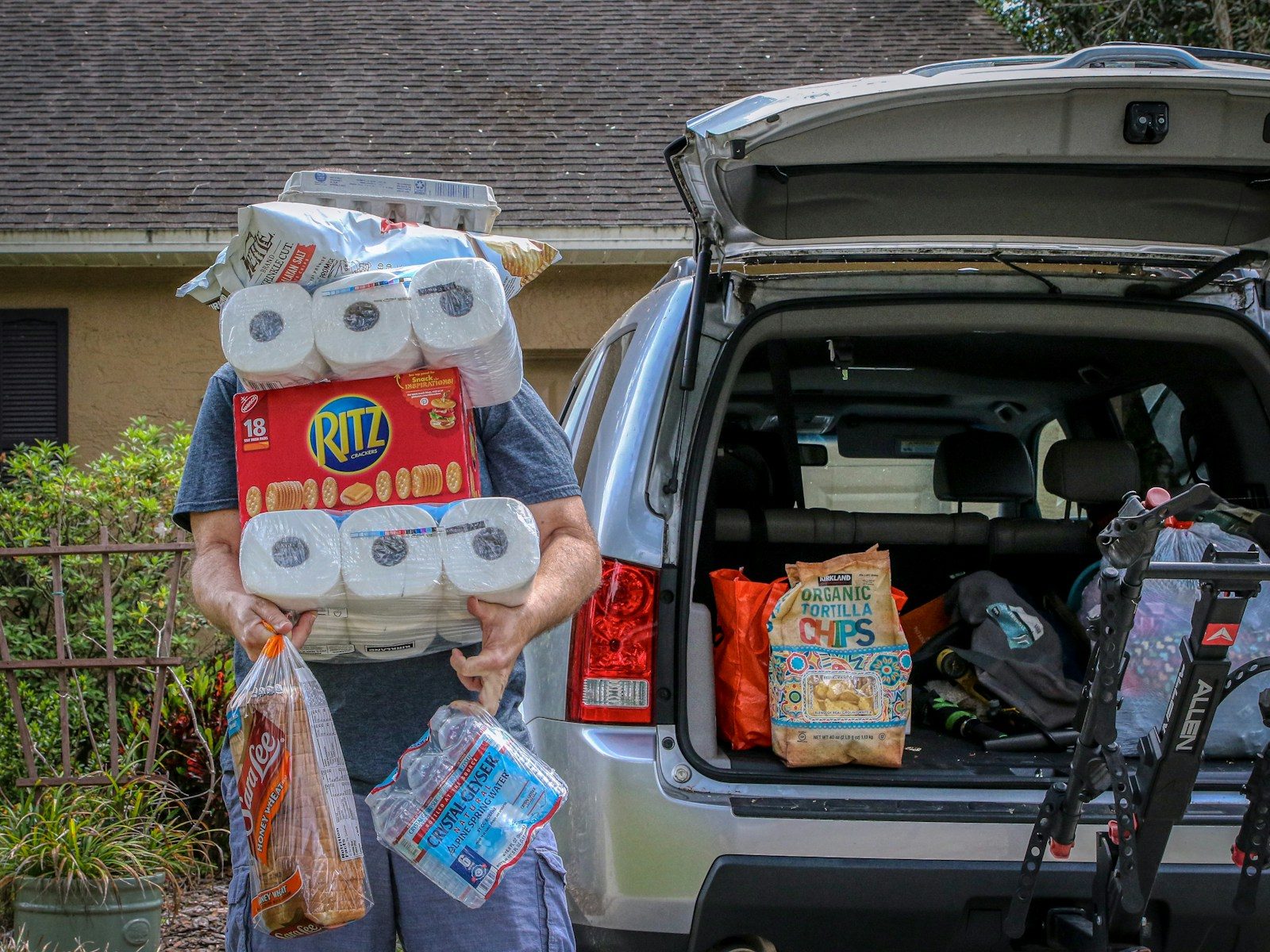
How to Rotate Emergency Food Supplies
10 September 2026
A practical guide to rotating emergency food without waste, including first-expiry-first-out storage, date-label checks, stock inspections and a simple replacement routine for UK households.

How Long Does Emergency Food Last?
5 September 2026
Emergency food can last from a few days to many years, depending on the product, packaging and storage. This guide explains UK date labels, safe rotation and when stored food should be discarded.
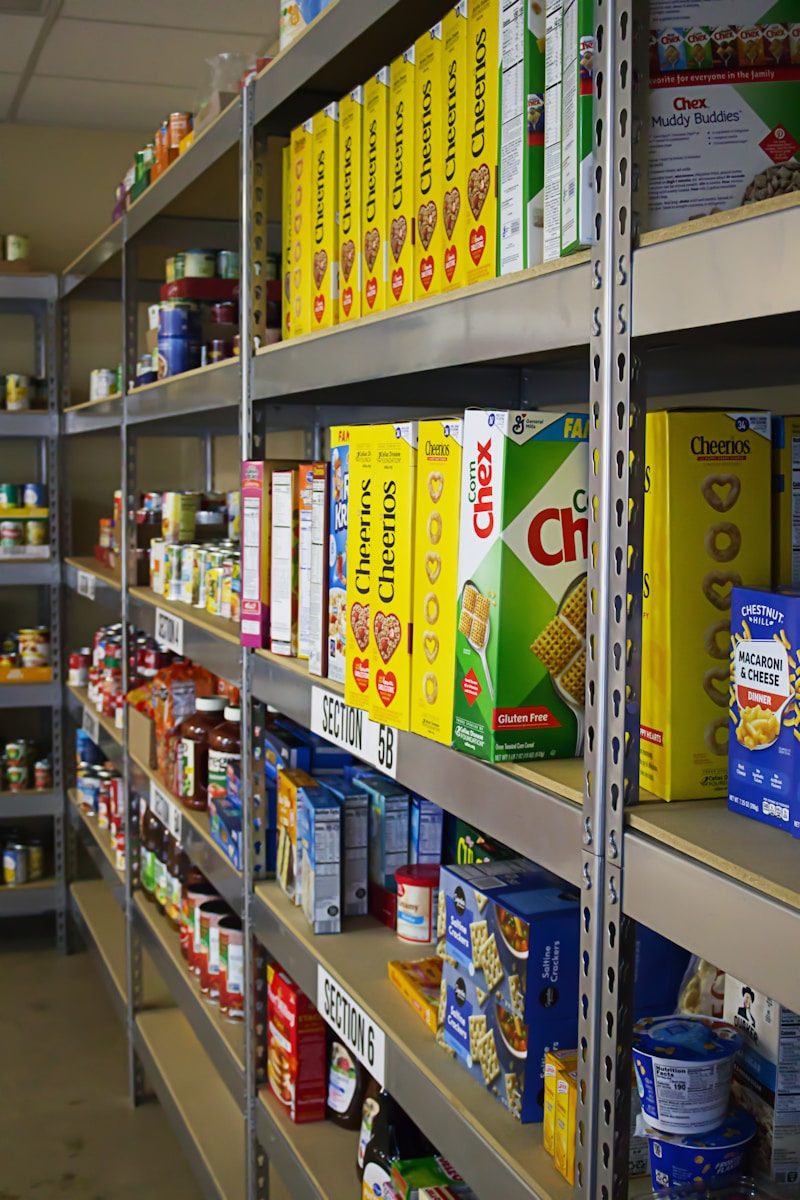
Foods That Do Not Need Refrigeration
5 September 2026
A practical guide to shelf-stable food for UK homes, including ready-to-eat tins, dried staples, long-life drinks, fresh produce, safe storage and meals that can be made without electricity.
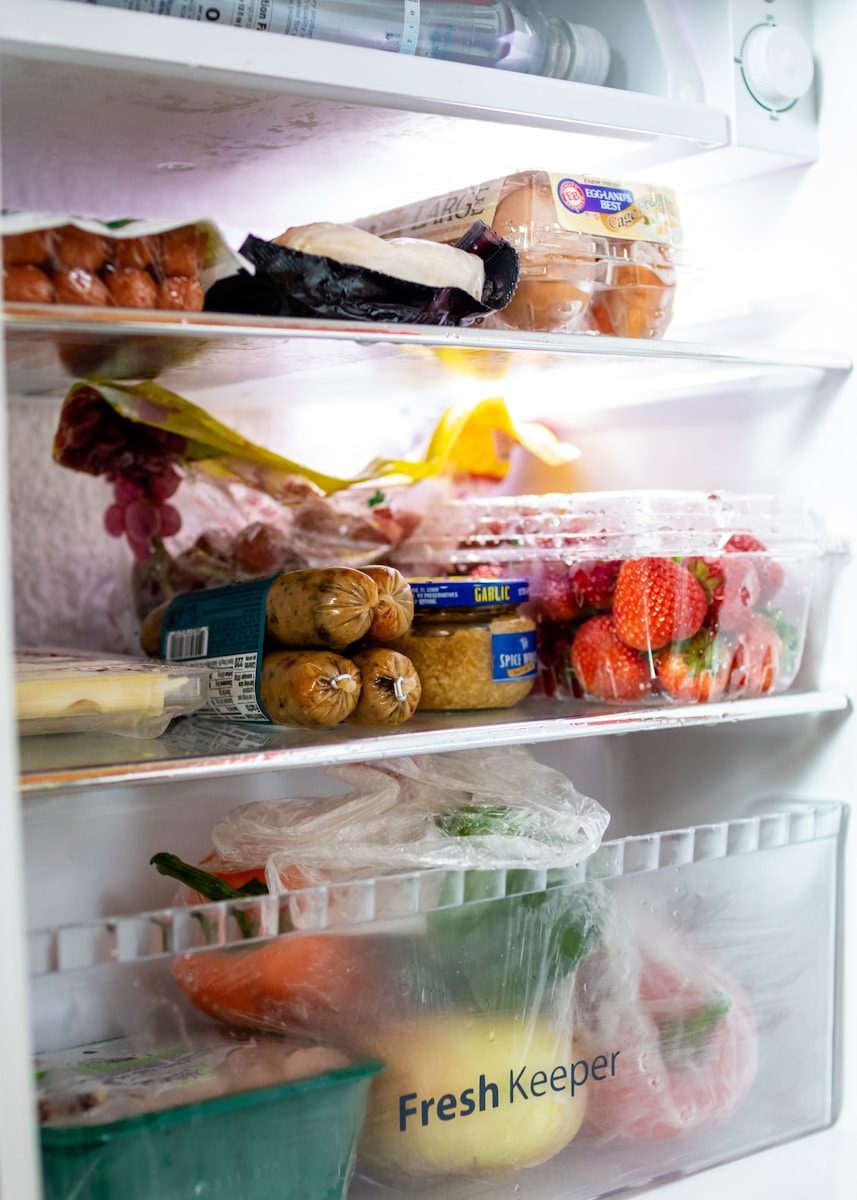
How to Keep Food Safe During a Power Cut
5 September 2026
A practical UK guide to fridge and freezer safety during a power cut, including official four-hour guidance, food temperature limits, safe cooking options and what to do when electricity returns.

How to Prepare for a Longer Power Cut
3 September 2026
A practical UK guide to preparing for a power cut lasting overnight or several days, with realistic advice on backup electricity, food safety, water, warmth, communications, medical equipment and safe generator use.

Emergency Communications for UK Homes
3 September 2026
A practical UK guide to building a layered emergency communications plan, keeping phones and broadband powered, receiving official warnings and staying in contact when ordinary networks fail.

How to Keep a Wi-Fi Router Running During a Power Cut
3 September 2026
A practical UK guide to powering a broadband router, full-fibre ONT and essential network equipment during a power cut, with clear comparisons of UPS units, power banks and portable power stations.

Will Your Landline Work During a Power Cut?
3 September 2026
Most UK digital landlines stop working when the power fails. This guide explains the limits of BT Digital Voice, risks to telecare users and practical mobile, battery and satellite backup options.

How to Keep Internet Access During a Power Cut
3 September 2026
A practical UK guide to keeping broadband and mobile internet available during a power cut, choosing backup power for a router and fibre terminal, calculating runtime, conserving phone batteries and protecting access to emergency calls.
What to Do During a Water Supply Outage
31 August 2026
A practical UK guide to checking and reporting a water outage, using stored water safely, managing food, hygiene and toilets, finding extra support, and restarting household water after the supply returns.
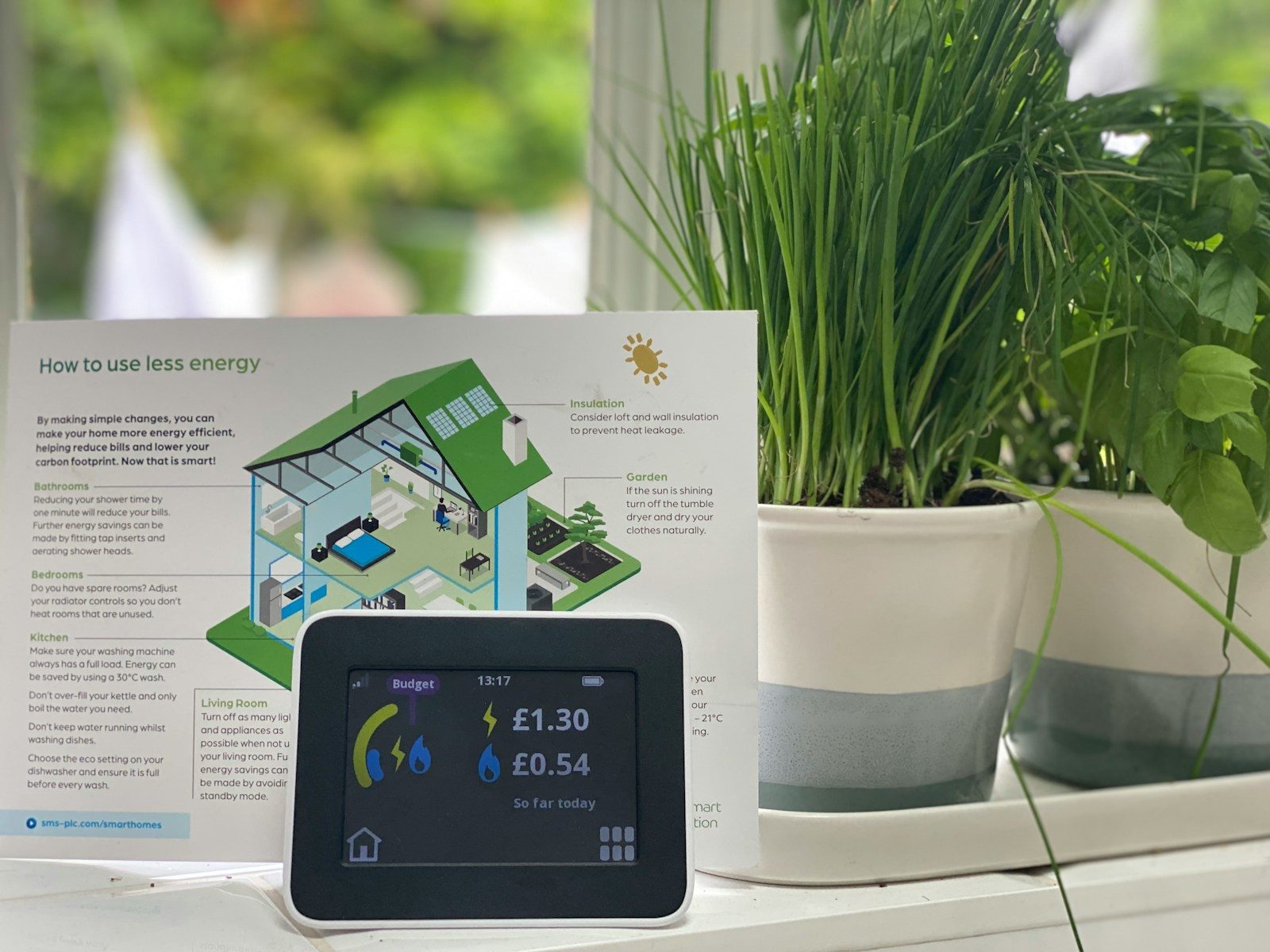
How to Measure Electricity Use at Home
31 August 2026
A practical UK guide to measuring whole-home and individual-appliance electricity use, calculating kilowatt hours and costs, testing background demand and interpreting data from smart meters, solar panels and batteries.
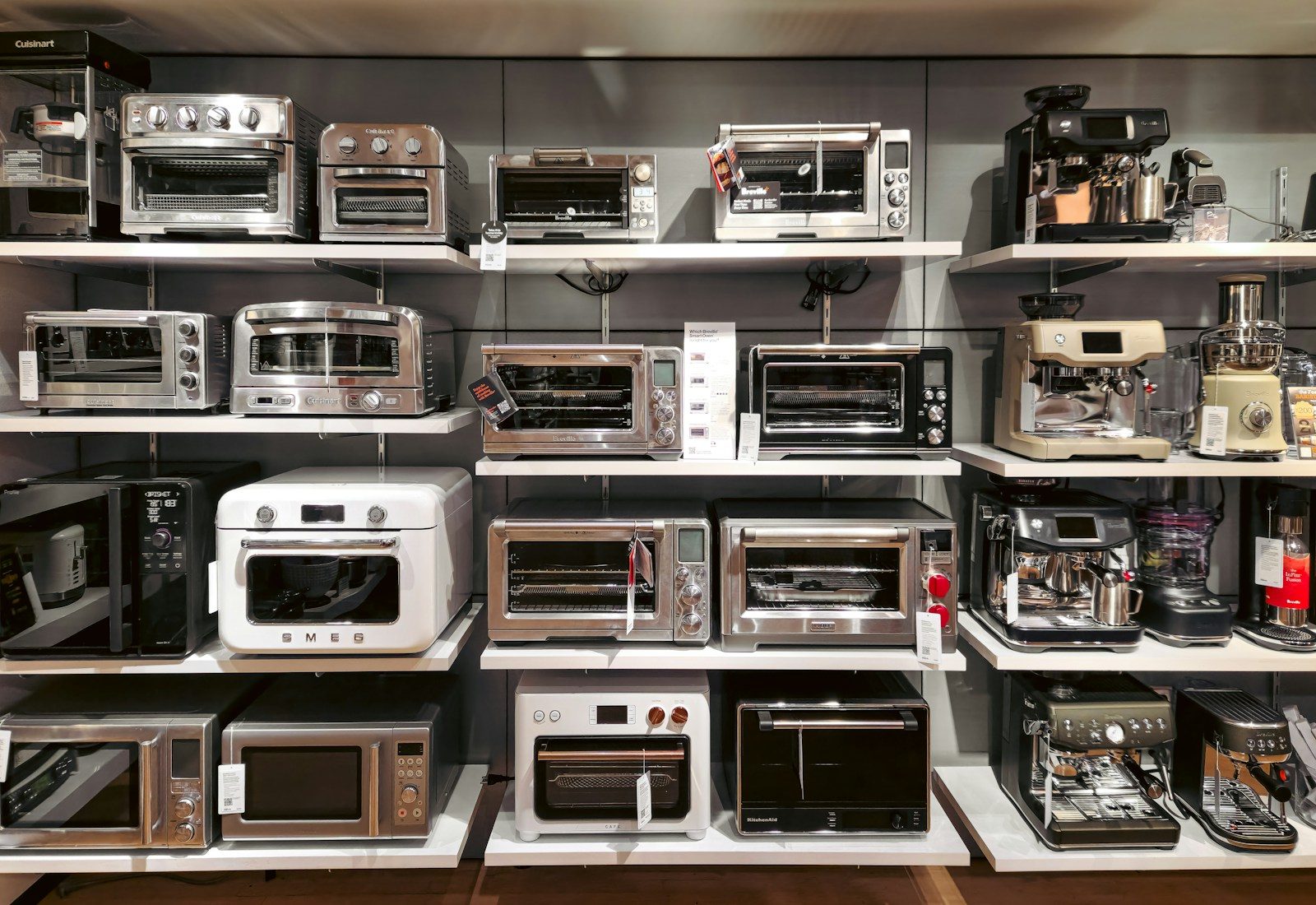
What Appliances Use the Most Electricity?
31 August 2026
A practical UK guide to the appliances and household systems that use the most electricity, the difference between watts and kilowatt hours, and how to identify the largest loads in your own home.

How to Draught-Proof a UK Home
31 August 2026
A practical room-by-room guide to finding and sealing unwanted draughts in UK homes, choosing suitable strips and fillers, protecting ventilation, treating chimneys safely and handling rented, listed and traditional properties.

How to Stay Warm Without Central Heating
31 August 2026
Practical UK advice for staying warm during a boiler failure, gas interruption or period without central heating, including one-room heating, personal warmth, running-cost calculations, fire and carbon monoxide safety, and signs that it is time to move somewhere warmer.
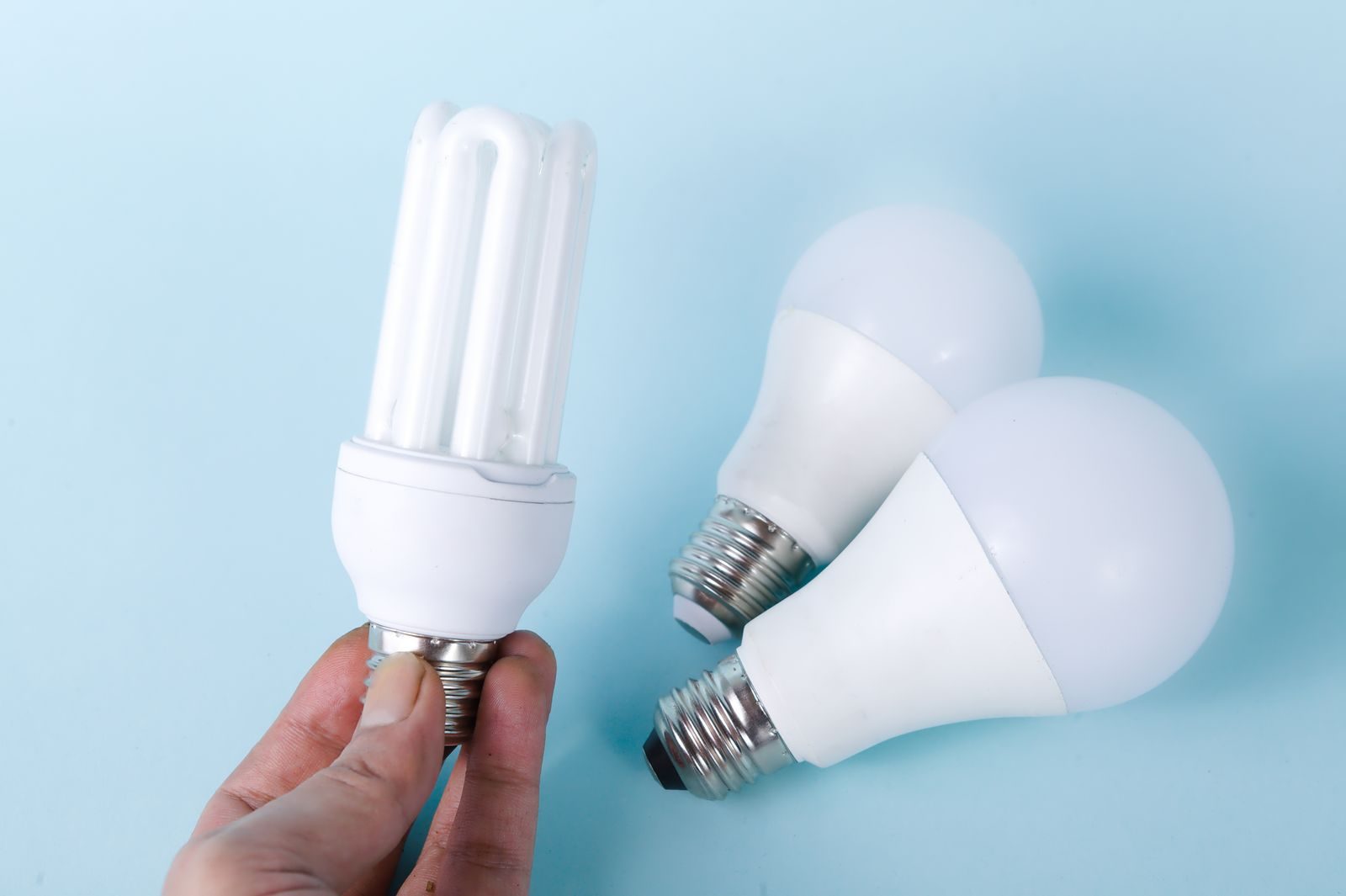
How to Reduce Electricity Use at Home
27 August 2026
A practical UK guide to measuring household electricity use, finding waste, reducing heating and hot-water demand, running appliances efficiently and choosing worthwhile upgrades without compromising safety or comfort.
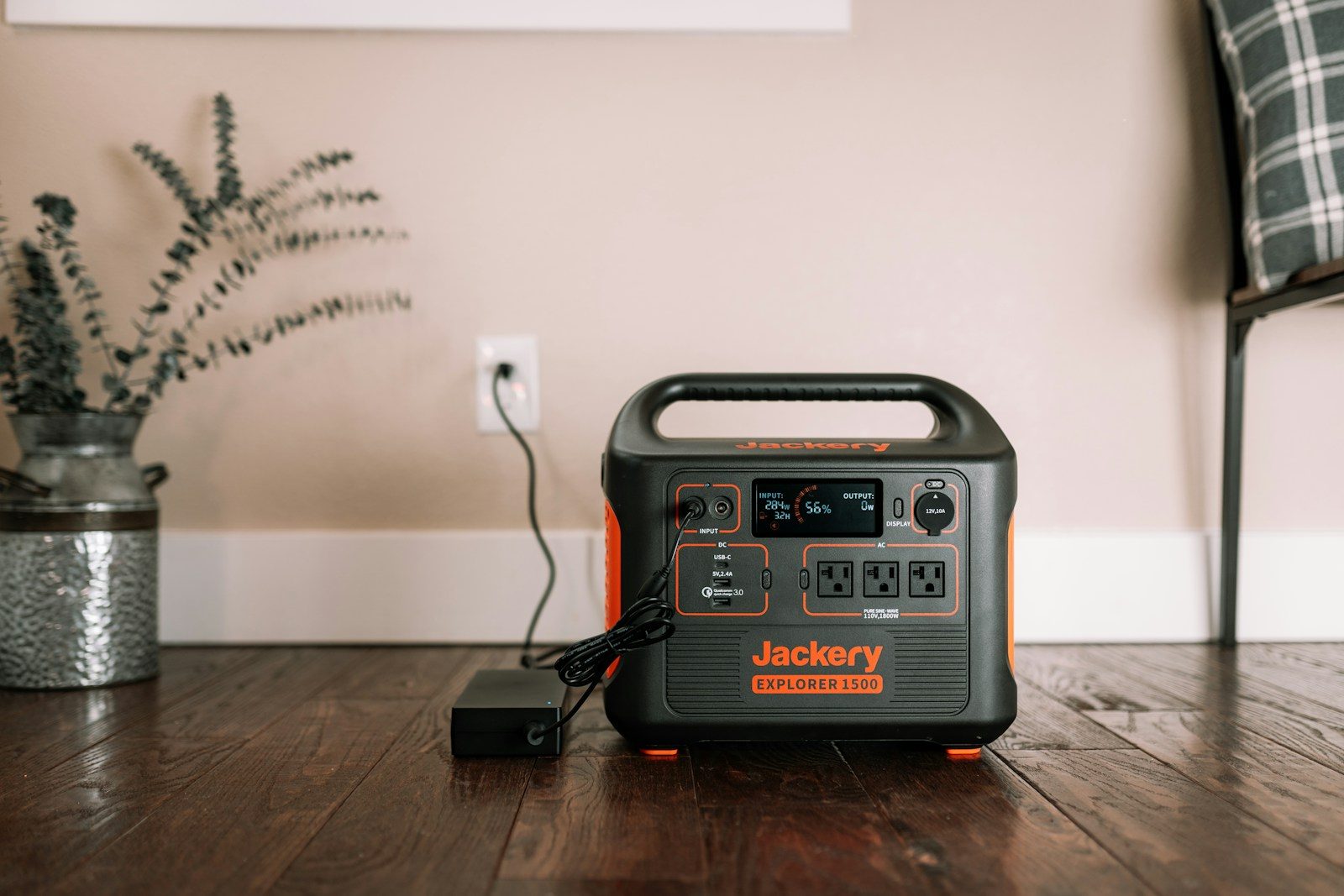
Backup Power for a UK Home
27 August 2026
A practical UK guide to choosing backup power, identifying essential household loads, calculating battery runtime and using power banks, portable power stations, fixed batteries, solar panels and generators safely.

How to Keep Your Home Warm During a Power Cut
27 August 2026
Practical UK advice for retaining heat during a winter power cut, keeping people warm, using alternative heaters safely, recognising cold-related illness and deciding when to move somewhere warmer.
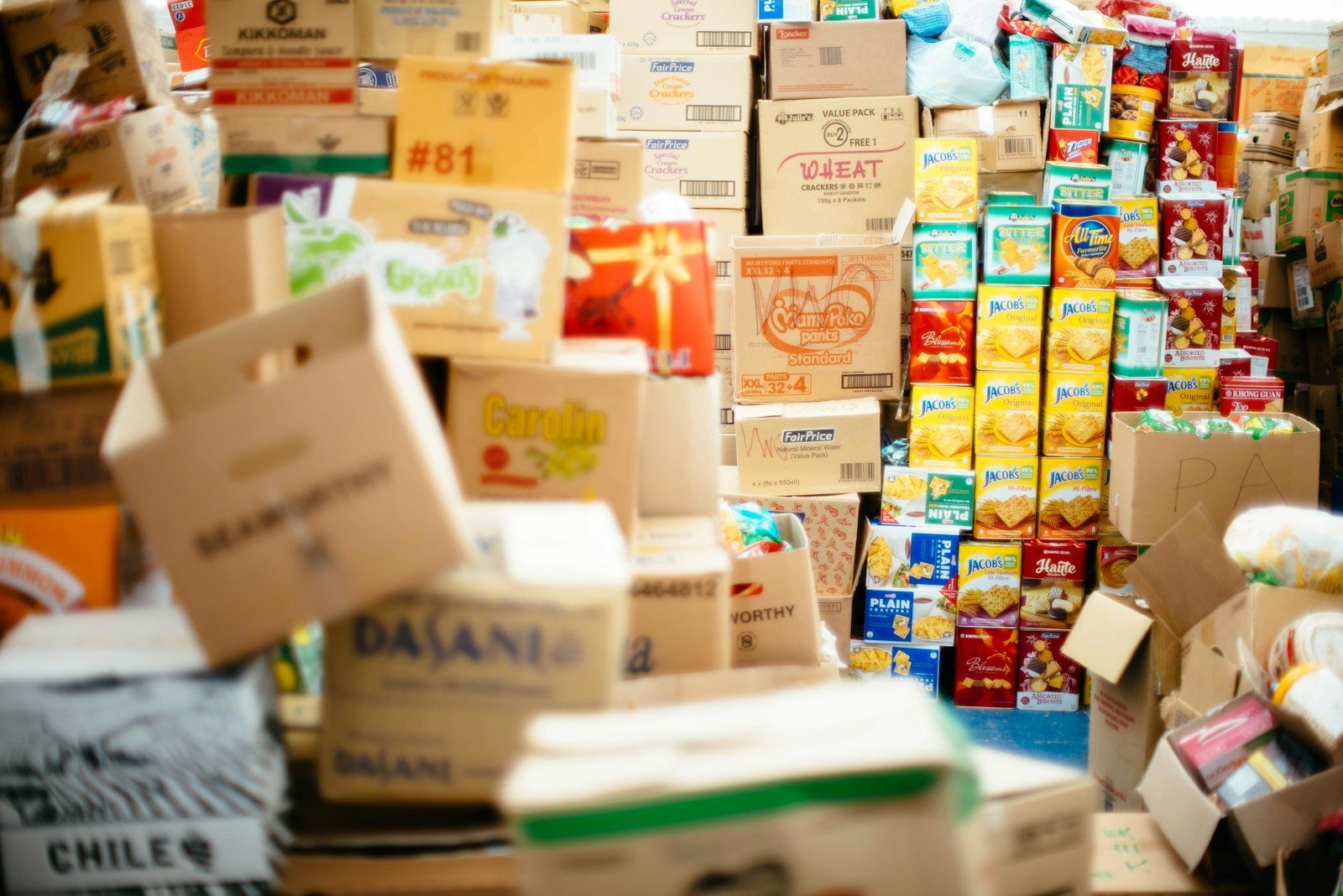
Emergency Food Storage for UK Homes
27 August 2026
A practical guide to building a three-day emergency food supply from ordinary UK supermarket foods, with no-cook options, realistic quantity planning, safe storage, stock rotation and advice for power cuts, water outages and special diets.
How Much Emergency Water Should You Store?
26 August 2026
A practical UK guide to calculating emergency water for every household size, choosing a realistic three-day target, allowing for pets and medical needs, and storing bottled or container water safely.
What to Do in a Power Cut: A Practical UK Guide
27 August 2026
A practical UK guide to dealing with a power cut, from reporting the outage and protecting appliances to keeping warm, preserving food, maintaining communications and preparing for longer disruption.