
Start Here: Build a More Resilient UK Home
UK Prepared helps you make your home cheaper to run, more comfortable and less dependent on fragile services. Start with one practical goal: reduce everyday utility bills, keep essential devices working during a power cut, store sensible emergency supplies, or build towards a more self-reliant home over time.
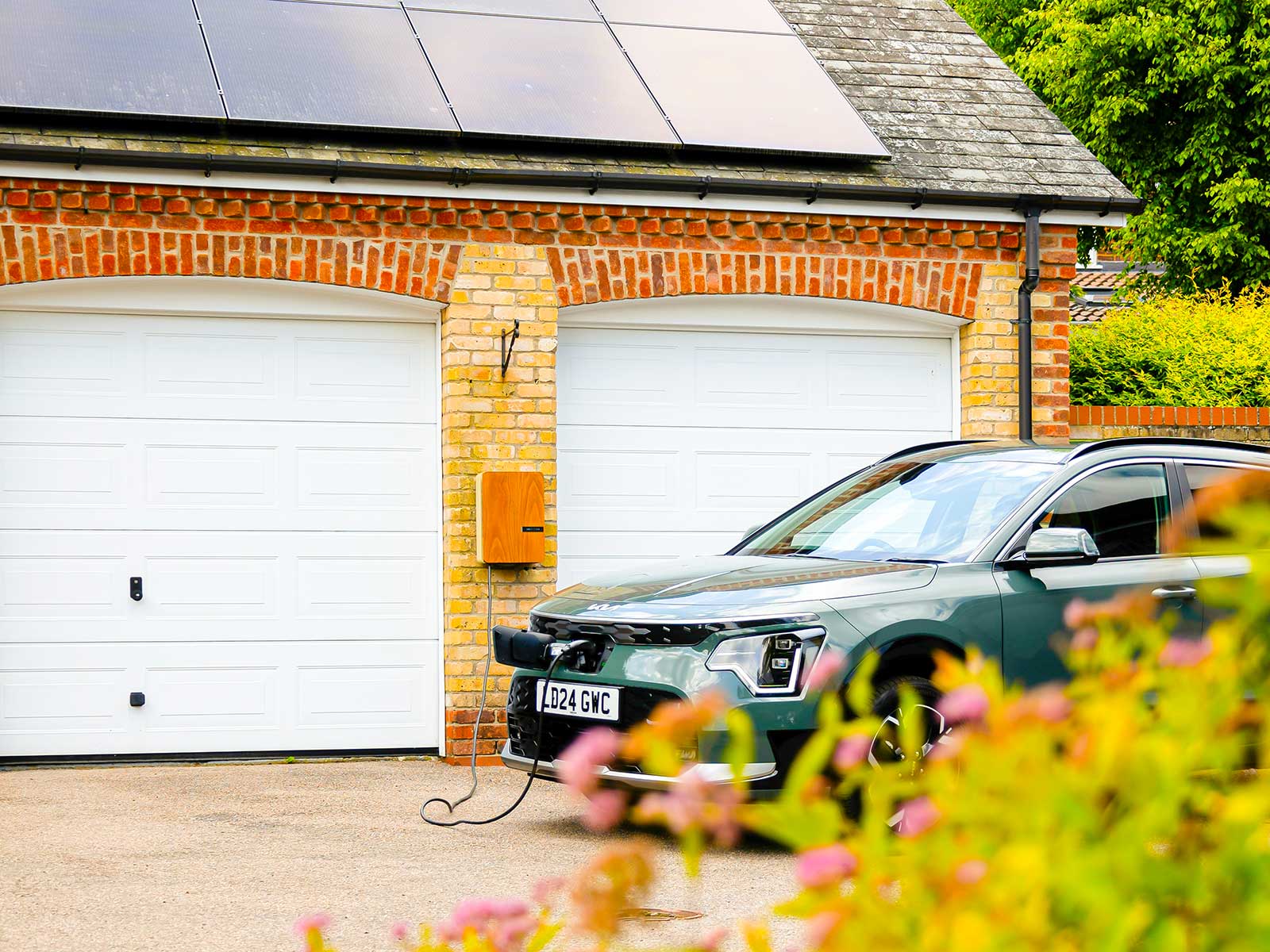

Choose Your Starting Point
Start with the area that matters most to your household. You might want to cut everyday energy costs, prepare for power cuts, improve warmth and comfort, store essential food and water, or begin a longer-term move towards lower-dependency living.
Cut Everyday Energy Costs
Lower your household energy use before spending heavily on new technology. Start with monitoring, insulation, efficient appliances, smart controls and small solar or battery upgrades that can reduce bills in normal everyday use.
Prepare for Power Cuts
Keep essential devices and services running when the mains goes down. Start with lighting, phones, broadband and radios, then consider larger backup options such as portable power stations for appliances and other household priorities.
Store Essential Food and Water
Keep a sensible reserve for water outages, illness, severe weather and short supply disruptions. Focus on food you already eat, safe water storage and simple ways to prepare meals if normal services are unavailable.
Keep Your Home Warm for Less
Reduce heat loss before spending heavily on heating. Start with draught-proofing, insulation, thermal curtains, heated throws and simple room-by-room changes that improve comfort while lowering energy use.
Build Towards Lower-Dependency Living
Move beyond short-term preparedness with larger upgrades such as rooftop solar, home battery storage, EV charging, rainwater use and other technologies that can reduce long-term dependence on mains utilities.
Make a Household Emergency Plan
Agree what your household will do if power, water, communications or local services are disrupted. Keep key contacts, medicines, documents, torches, radios and essential supplies easy to find, and make sure everyone knows the plan.

The Sensible Order to Get Prepared
Start by understanding what your household uses and depends on. Reduce waste first, protect the essentials next, then add backup power, stored supplies and larger upgrades as your budget and priorities allow.
Measure What You Use
Check how much electricity, heating and water your household actually uses. Knowing where the biggest costs and dependencies are makes it much easier to decide what to reduce, replace or back up first.
Reduce Waste First
Cut unnecessary consumption before buying new equipment. Draught-proofing, better heating controls, efficient lighting, sensible appliance use and small behavioural changes can reduce bills immediately and make any later backup system easier to size.
Protect the Essentials
Identify what must keep working during an outage or disruption, such as phones, lighting, broadband, refrigeration, heating controls and essential medical equipment. Protect those needs before spending money on larger backup systems.
Build Your Resilience Plan
Build resilience in stages rather than buying everything at once. Start with the biggest everyday savings and the essentials you need during an outage, then add stored power, emergency supplies and larger home upgrades as your budget allows.
Cut Bills Before Buying More Kit
Reduce waste and understand your household energy use before investing in expensive equipment. The less power and heat you need, the smaller and cheaper your eventual solar, battery or backup setup can be.
Energy monitoring
Smart controls
Efficient appliances
Heat-loss reduction
Prepare for Short-Term Disruption
Cover the disruptions most likely to affect a UK household first. Keep enough lighting, communications, food, water and basic power available to get through a short outage comfortably before planning for longer emergencies.
Emergency lighting
Phone and radio backup
Stored food and water
Basic emergency supplies
Add Backup Power Where It Matters Most
Prioritise the devices and services you actually need during an outage, then size backup power around them. Phones, broadband, lighting, refrigeration and heating controls usually matter more than trying to run the whole house.
Portable power stations
Power banks
Battery lighting
Backup for broadband and essentials
Upgrade Your Home Over Time
Add larger improvements when they make financial and practical sense, such as rooftop solar, home battery storage, EV charging, better insulation and other upgrades that can reduce long-term reliance on mains energy.
Rooftop solar
Home battery storage
EV charging
Better insulation
Cut Costs and Reduce Everyday Dependence
Start with improvements that pay you back in normal everyday use. Reduce wasted energy and water, improve efficiency and understand where your household is most dependent on mains services.
These are sensible first steps even if you never experience a serious emergency, and they make later backup systems cheaper and easier to size.
- Track electricity, heating and water use before buying equipment
- Reduce unnecessary energy use before adding backup capacity
- Improve insulation, heating controls and appliance efficiency
- Make later solar, battery and backup systems cheaper to size
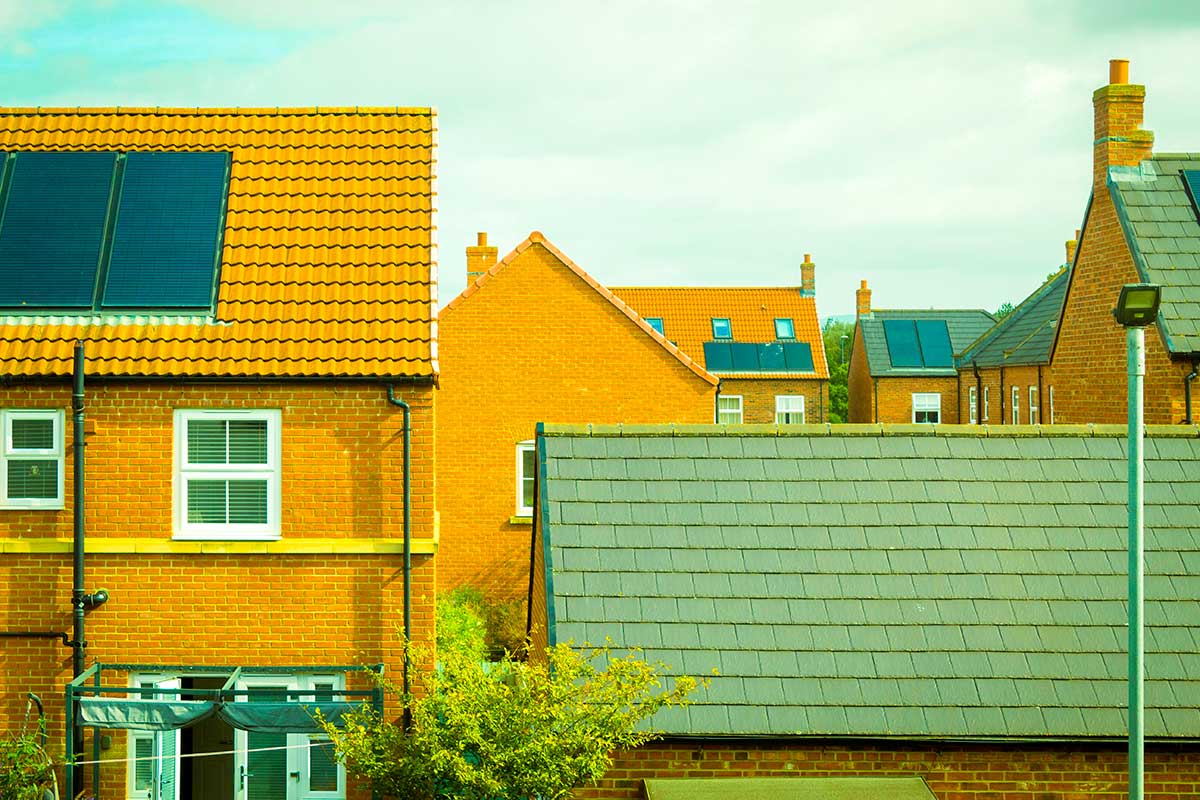

Prepare for Outages and Short-Term Disruption
Prepare for the disruptions most likely to affect a UK household, from short power cuts and severe weather to temporary water or communications failures. Build enough resilience to keep the essentials working and the household comfortable.
Build this layer around realistic short-term needs first. A few well-chosen supplies and backup devices can keep communications, lighting, food, water and basic comfort covered without turning preparedness into an expensive project.
- Keep torches, radios and charged power banks ready for short outages
- Keep phones and broadband working with backup charging and power
- Store enough food and water for short disruptions
- Plan for warmth, basic cooking and essential household needs
Add Backup Power for Essential Devices
Choose backup power around the devices and services your household genuinely needs during an outage. Start small, then increase capacity only where it adds real value.
A well-sized system can keep communications, lighting, refrigeration and other essentials running without the cost of trying to power the entire house.
- Size backup power around essential devices
- Prioritise phones, broadband, lighting and refrigeration
- Keep heating controls and other essential systems powered
- Increase capacity only when your household needs justify it
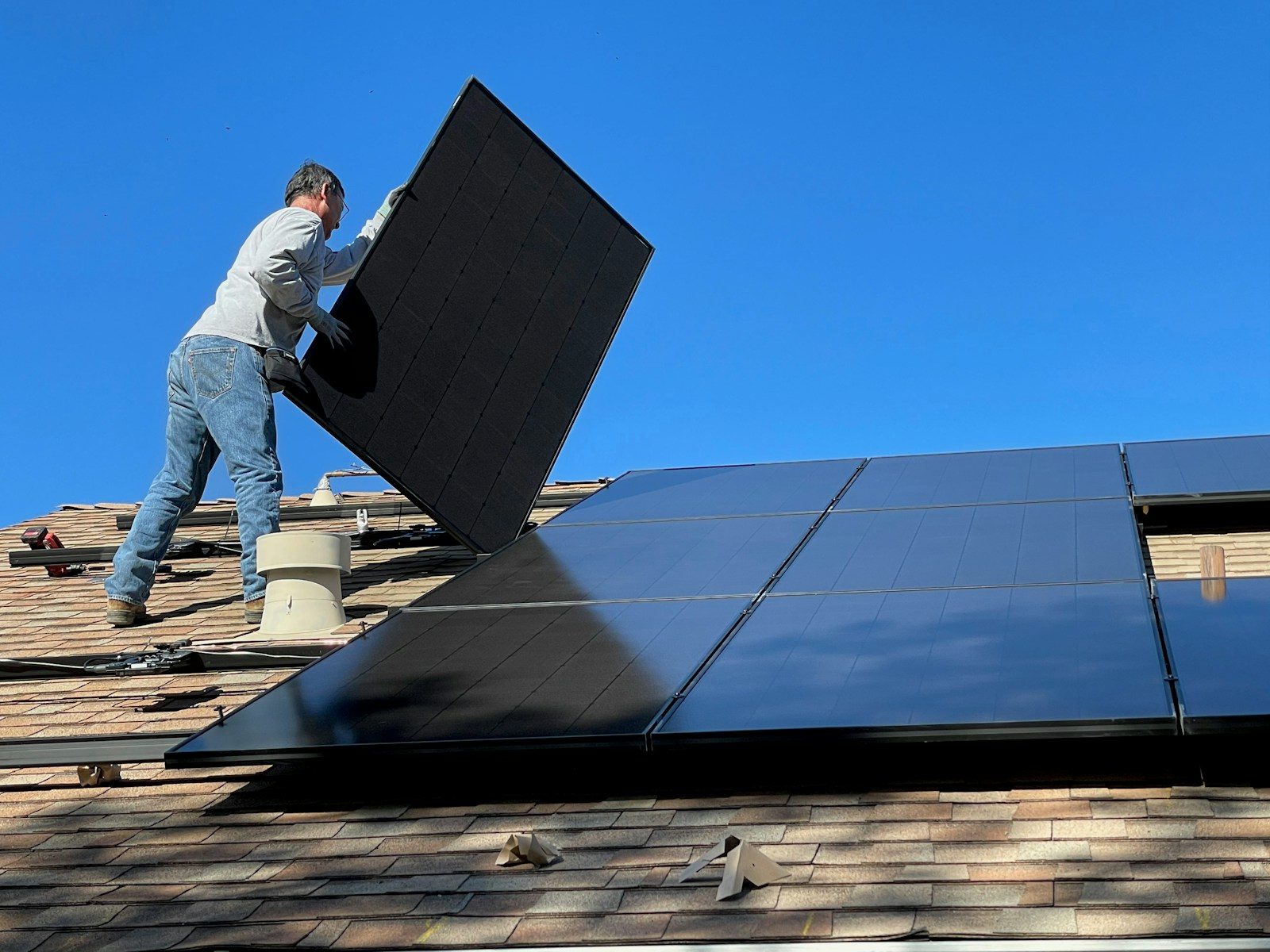
Choose Your Next Step
Start with the improvement that will make the biggest difference to your household now, then build greater resilience gradually as your needs and budget develop.
Your Home Resilience Checklist
Use this checklist to review the main areas of household resilience: everyday efficiency, backup power, food and water, warmth, communications and longer-term home upgrades.
Everyday Efficiency
Energy use
Know where your household uses the most electricity, heating and water.
Heat loss
Check insulation, draughts, windows and doors before spending more on heating.
Water use
Know your normal water needs and where you could reduce consumption or add backup storage.
Backup & Essentials
Backup power
Keep phones, lighting, broadband and other essential devices powered during an outage.
Food and water
Keep a practical reserve of drinking water and food your household already uses.
Communications
Keep at least one reliable way to receive information and contact others if mobile networks or broadband are disrupted.
Long-Term Resilience
Home upgrades
Improve insulation, heating controls, efficiency and other parts of the home that reduce everyday dependence on energy.
Renewable energy
Consider rooftop solar, home battery storage and other systems that can reduce long-term reliance on the grid.
Future planning
Review your household needs regularly and add larger upgrades only when they improve resilience, comfort or long-term running costs.
Frequently Asked Questions About Home Resilience
Straightforward answers to common questions about reducing household dependence, preparing for outages and deciding which upgrades are worth doing first.
Start with the basics that improve everyday life as well as resilience: reduce wasted energy, identify essential devices, keep a small reserve of food and water, and make sure you have reliable lighting, communications and backup charging.
It depends on what you want to keep running. Add up the wattage and likely runtime of essential devices such as phones, broadband, lights, refrigeration and heating controls before choosing a power station or battery system.
Keep enough for the kinds of short disruption you are preparing for, then rotate supplies through normal household use. Prioritise drinking water, food you already eat and items that can be prepared with little or no cooking.
Solar can reduce grid electricity use and, when combined with suitable battery storage, improve resilience during outages. Whether it is worthwhile depends on your property, roof, energy use, budget and how much independence you want.
Prepare in layers. Start with the disruptions most likely to affect your household, such as power cuts, severe weather, water outages or temporary supply problems, then build towards greater resilience for longer or more serious emergencies. The same preparations often help in both situations, so nothing needs to be wasted or purely hypothetical.