
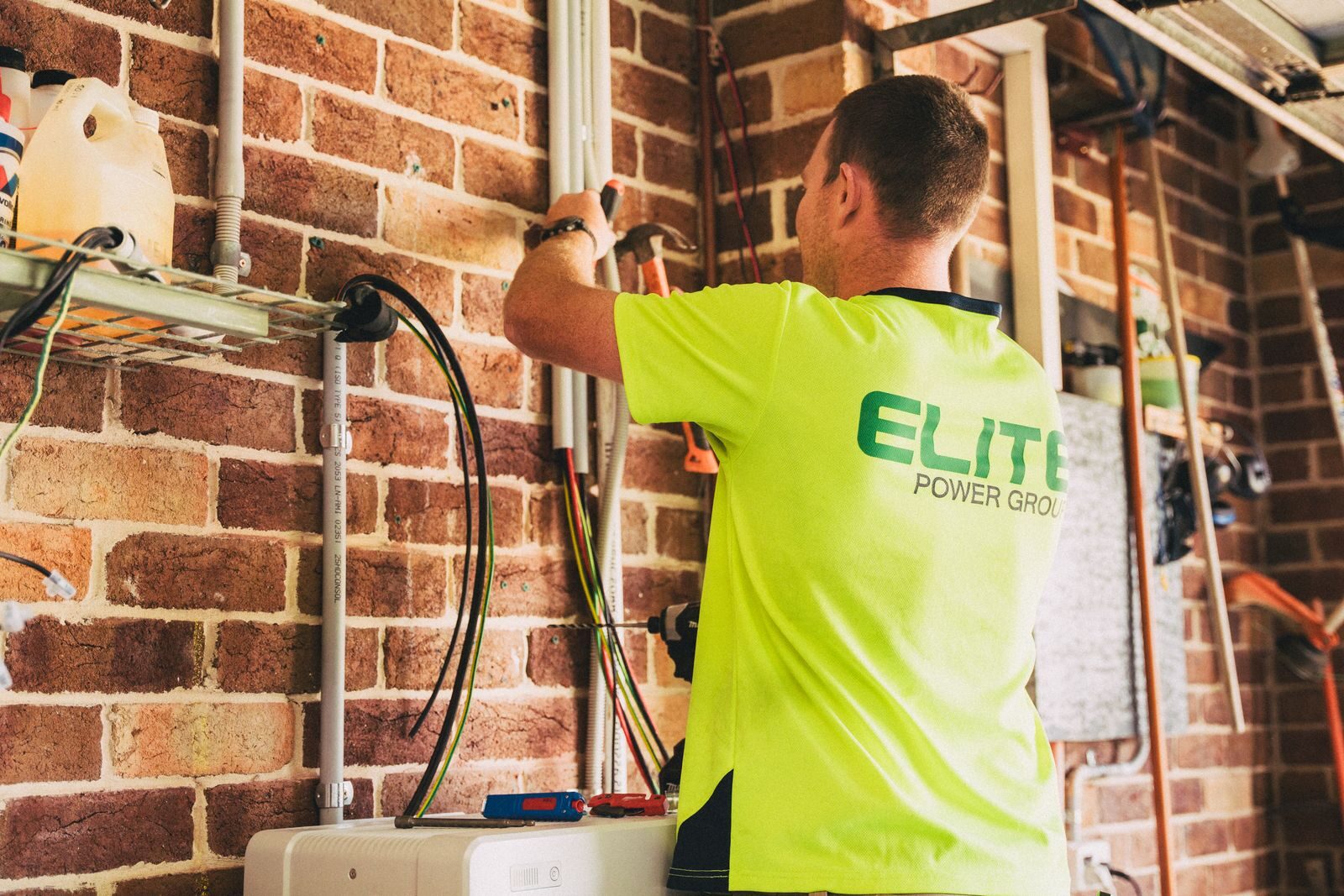
Home battery storage stores electricity so you can use it later. In UK homes, a battery is commonly charged by solar panels, a time-of-use electricity tariff, or both. Whether it saves money depends on your electricity use, tariff, system design and the price of installation.
A battery does not generate electricity, and an ordinary grid-connected battery is not automatically backup power in a power cut. Before comparing systems, decide what you want the battery to do: use more of your solar electricity, shift cheaper electricity to a more expensive period, or keep selected circuits running during an outage.
How home battery storage works
A home battery stores electricity for later use. The most common domestic batteries use lithium-ion technology. A control system manages charging and discharging, while an inverter or related equipment connects the battery to the home’s electrical system. The Energy Saving Trust’s battery storage guide explains the main ways households use them.
- With solar panels, electricity generated during the day can supply the home and charge the battery when there is surplus.
- With a suitable time-of-use tariff, the battery can charge from the grid when electricity is cheaper and discharge later.
- When the battery is empty or reaches its set reserve, the home uses electricity from the grid and any available solar generation.
- When a battery is full, additional solar electricity may be exported, depending on the system and export arrangements.
Storing and using electricity later involves some energy loss. A battery can help match electricity supply to the time you need it, but it cannot make every unit of stored electricity available to use.
What might you use a home battery for?
| Use | What the battery does | What to check |
|---|---|---|
| Using more solar electricity | Stores surplus generated during the day for use later, such as in the evening. | How much surplus your panels produce, and whether the battery can use your existing inverter. |
| Shifting electricity on a time-of-use tariff | Charges during cheaper periods and supplies some household demand during dearer periods. | The tariff times and prices, battery losses, and how the system is controlled. |
| Power-cut backup | Supplies the circuits included in a system designed for operation during an outage. | Whether backup equipment is included, which circuits stay on, and whether solar can recharge the battery during the outage. |
These uses can be combined, but they may compete for the same stored energy. For example, a battery used to reduce evening imports may have less charge available for an unexpected outage. Tell installers which job matters most and ask how the proposed settings manage that priority.
Battery capacity and power output are different
Capacity, measured in kilowatt-hours (kWh), describes how much energy a battery can store. Power output, measured in kilowatts (kW), describes how much electricity it can supply at one time. A battery may have enough stored energy for several hours but still be unable to run several high-power appliances together.
As a simple example, a 1 kW load running for four hours uses 4 kWh, before allowing for battery and inverter losses. Real household demand changes over the day, and equipment such as pumps or compressors may draw more power when starting. Check both usable capacity and output, rather than choosing on the advertised kWh figure alone.
The Energy Saving Trust gives 10 kWh as an example of a typical home system, not as a recommended size for every property. Base your estimate on when electricity is used, how much solar surplus is available, and whether you want an outage reserve. The UK Prepared home battery size calculator can help organise those figures before an installer visit.
If you are planning a combined solar and battery installation, use the solar and battery planning checklist to record your goals, electricity use, property details and questions for installers.
Will a home battery save money?
It can, but there is no reliable saving figure that applies to every household. A battery may help you use more of your own solar generation or buy electricity at a cheaper time. Its value depends on the difference between the prices you pay and receive, how often it is charged and discharged, energy losses, system costs and battery life.
Current Energy Saving Trust guidance gives a broad battery system cost range of £1,500 to £10,000, with around £4,600 for a 5 kWh system. These are indicative figures, not a quote. Ask each installer what the price includes, such as the battery, inverter, electrical work, controls, export arrangements and any backup equipment.
The Energy Saving Trust estimates a typical battery lifespan of about 10 to 12 years, although this varies by product and use. Ask for the warranty terms, including the covered period, retained capacity and any throughput or cycle limits. Include the possibility of battery replacement when weighing the investment against projected savings.
Ask for a comparison based on your own electricity use and tariff. The estimate should account for electricity you would otherwise export, energy lost through storage, expected battery use and the tariff assumptions. Adding a battery to solar panels can increase bill savings, but that does not guarantee it will repay its cost within its lifespan.
In Great Britain, eligible solar photovoltaic systems may receive export payments through the Smart Export Guarantee. The scheme applies to eligible generation technologies, including solar PV, rather than to a battery simply because one has been installed. Check the Ofgem guidance for SEG generators and compare the value of export payments with the value of storing that electricity for later use.
As of 29 September 2026, the UK Government’s consumer guidance says home battery installations are exempt from VAT until 31 March 2027, including standalone batteries. Check the quote and current rules when arranging work, as this date is approaching and the position may change.
Does a home battery work in a power cut?
Not necessarily. A standard grid-connected battery or solar system may stop supplying the home during a power cut. The Energy Saving Trust explains that additional equipment and configuration are normally needed for a battery to provide power during an outage.
If backup matters to you, ask the installer to specify which circuits will remain powered, the battery’s available output, how the system isolates from the grid and whether the solar panels can recharge the battery during an outage. Do not assume that a larger capacity battery will automatically power the whole house. The UK Prepared backup power guide explains the difference between routine energy storage and planned power-cut backup.
If occasional outages are your only reason for considering a fixed battery, compare the full installed cost with other ways of supporting the equipment you need. A fixed system designed for daily energy shifting may need extra equipment and wiring to provide useful backup.
Installation, permissions and safety
Use an experienced, appropriately registered installer to design and connect a fixed battery. The Energy Saving Trust recommends getting at least three quotes from MCS-certified installers. Ask installers to explain their proposed battery location and the safety requirements that apply to your home.
PAS 63100:2024 covers protection against fire for battery energy storage systems installed in dwellings, including installation locations and fault management. The BSI overview of PAS 63100 describes the scope of the specification. Ask your installer how the proposed design addresses the relevant siting and fire-protection requirements.
A grid-connected battery must be notified to your local Distribution Network Operator (DNO). The installer should determine whether the connection can be installed and notified afterwards or needs approval first. GOV.UK says the owner should make sure the DNO has received the notification and, where prior approval applies, that it has been granted before the work begins. The GOV.UK energy-device registration guidance also covers building-regulations responsibilities and documentation.
Planning permission is not generally required for home batteries, but the UK Government advises checking with your local council. If you rent, live in a flat or share a building, get the landlord’s, freeholder’s or building manager’s written agreement before commissioning a survey. Ask the installer to identify any building-control, lease or property-specific requirements that apply.
Before accepting a quote, ask for the proposed usable capacity and power output, the expected savings assumptions, the backup arrangement if required, the warranty, the battery location, the DNO process and the certificates and handover documents you will receive. Keep the installation and product paperwork, and follow the manufacturer’s instructions for monitoring and maintenance.
Home battery storage resources
- The Energy Saving Trust battery storage guide explains how batteries work, typical costs, lifespan, efficiency and installation.
- The UK Government’s battery guidance covers battery use, planning, network registration and current VAT information.
- GOV.UK guidance on registering home energy devices explains DNO notification, approval routes and relevant documentation.
- Ofgem’s Smart Export Guarantee guidance sets out eligible generation technologies and where the scheme applies.
- The Energy Saving Trust’s solar power fact check explains when solar panels and batteries can operate during a power cut and notes the different export arrangements in Northern Ireland.
- BSI’s PAS 63100 overview describes the domestic battery fire-protection specification and its focus on installation locations and fault management.