
Cut Bills. Keep Power. Stay Prepared.
Practical UK guides to help you reduce utility bills, prepare for power cuts and build a more self-reliant home without panic, hype or expensive mistakes.
Cut Daily Costs
Find the products and habits that reduce electricity, heating and water costs in normal everyday use.
Build Backup Power
Keep phones, lights, routers, radios and essential appliances running when the grid goes down.
Store What Matters
Plan sensible reserves of power, water, food, warmth and information for short-term disruption.
Practical Steps Towards Self-Reliant Living
UK Prepared focuses on upgrades that are useful in ordinary life first, then more valuable during power cuts, outages, shortages, storms or wider disruption. Start small, build steadily and avoid gimmicks.
Lower Electricity Bills
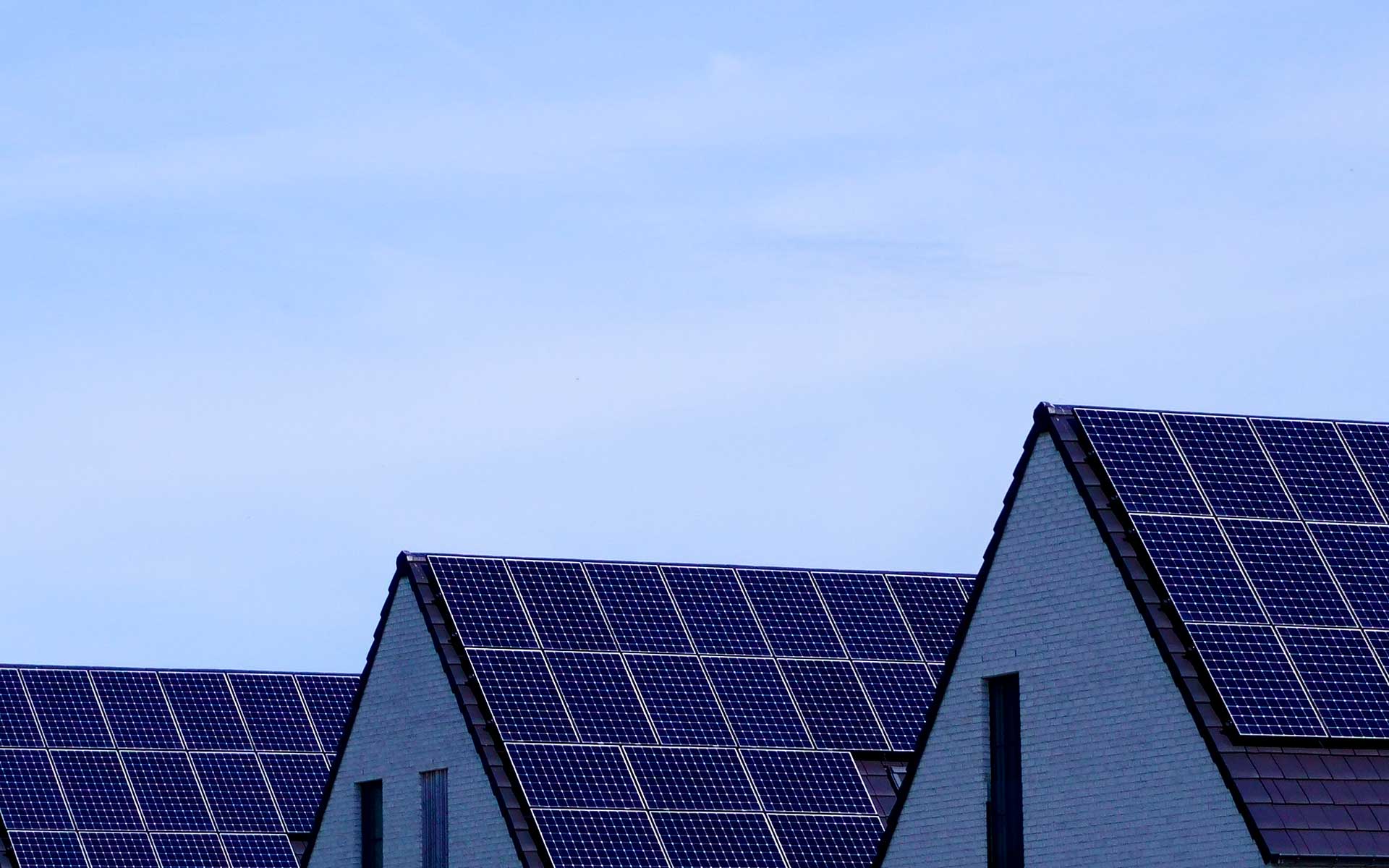
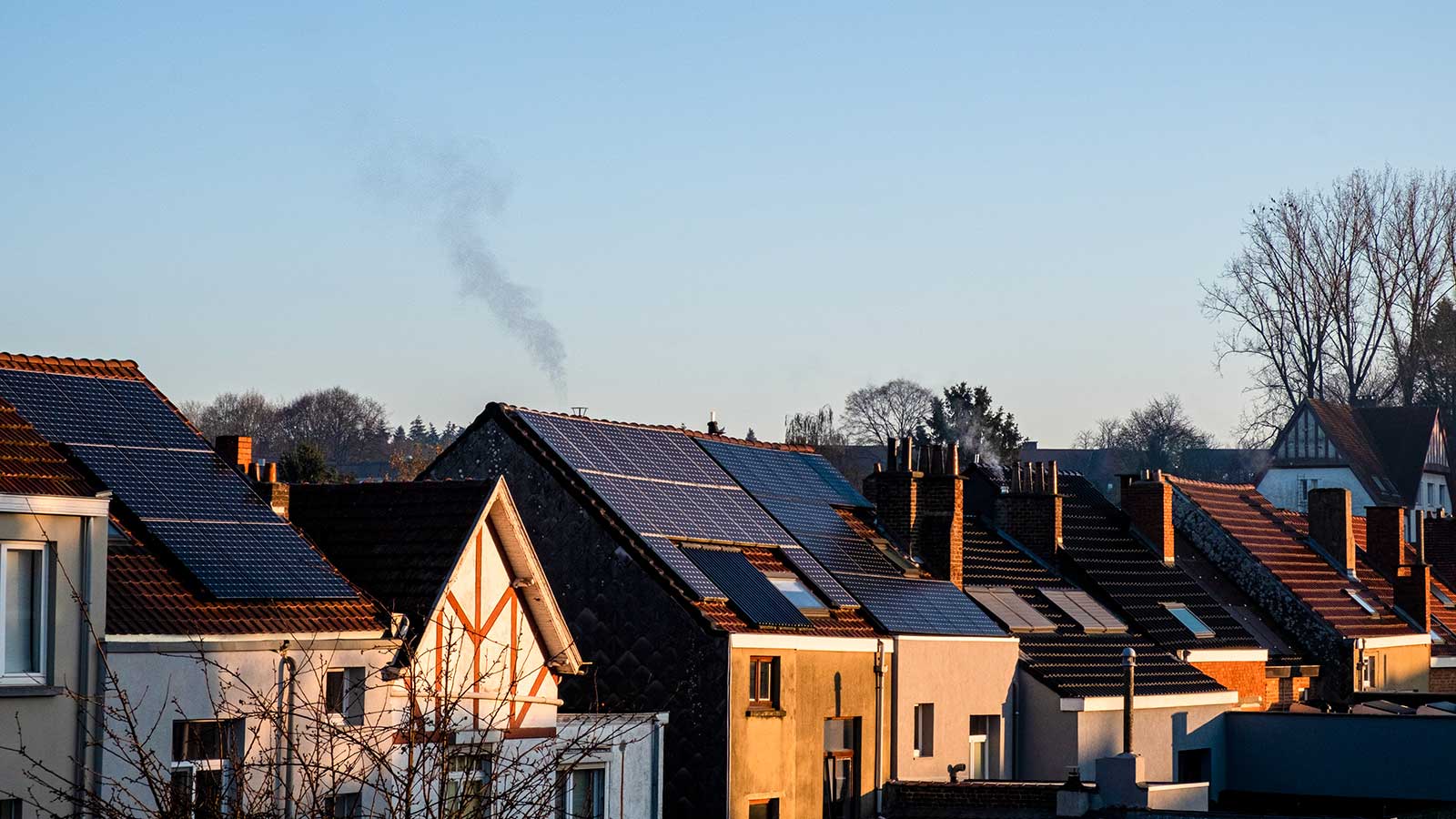
Reduce grid electricity use with solar, batteries, smart plugs, efficient lighting, better charging habits and practical home energy monitoring. Focus on changes that save money before selling you kit.
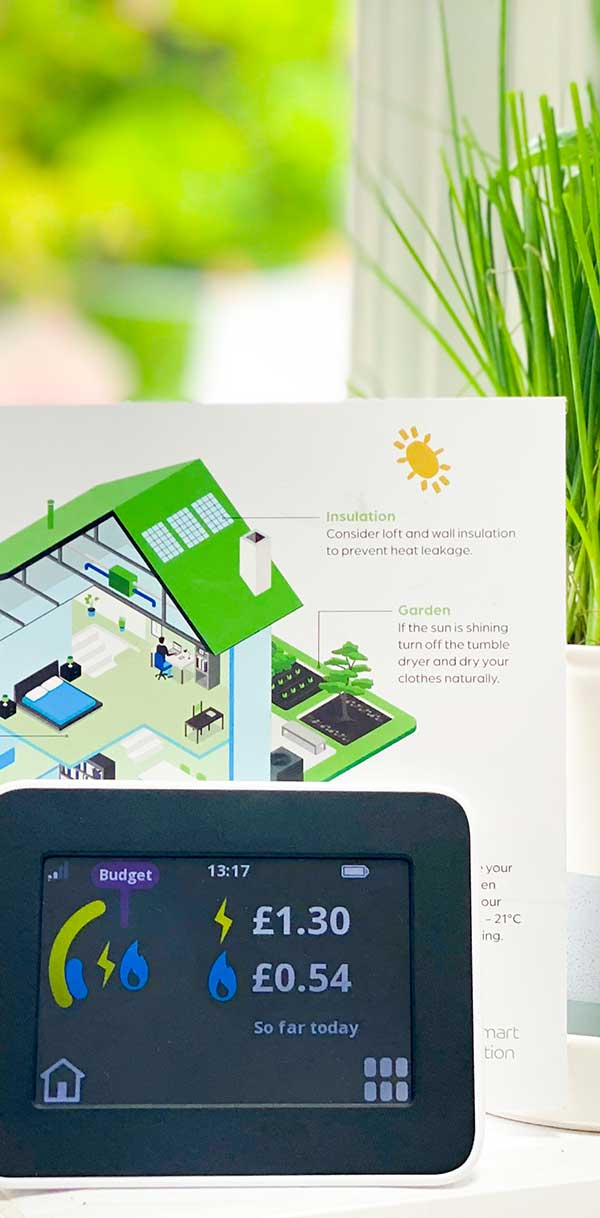
Energy monitors
Smart plugs
Solar panels
Battery storage
Prepare for Power Cuts
Build a backup setup for lights, phones, broadband, radios, medical devices where appropriate, and essential cooking. Choose capacity based on real household needs, essential priorities and the length of disruption you want to prepare for.
Power stations
Power banks
Battery lanterns
Wind-up radios
Keep Warm Longer
Reduce heat loss before buying expensive systems. Compare draught-proofing, thermal curtains, heated throws, low-energy heating and simple room-by-room winter resilience.
Draught-proofing
Heated throws
Thermal curtains
Warm rooms
Store Water & Food
Build a realistic cupboard reserve for water outages, illness, bad weather, supply disruption and short emergencies. Keep it rotated, affordable and useful for normal meals.
Water storage
Food reserves
Filters
Emergency cooking
Plan, Track, Store and Switch Over
A self-reliant home starts with knowing what you use, what matters most and what needs to keep working when normal services fail.
Track Real Use
Work out what your appliances actually consume before buying power stations, batteries or solar kit.
Build by Budget
Start with a small emergency kit, then expand towards lower bills and deeper backup.
Prioritise Essentials
Decide what needs power first: phones, lights, broadband, fridge, heating controls or medical equipment.
Use Official Advice
Pair product choices with official emergency planning, weather warnings and local risk guidance.
Useful in peacetime. Ready for emergencies. UK Prepared is built around practical steps that can reduce bills, improve comfort and make homes less fragile when power, water, communications or supply chains are disrupted.
Start With a Home Resilience Plan
Choose your starting point: lower bills, power-cut preparation, emergency water and food, or a longer-term move towards lower-dependency living.
Start HereLatest Guides & Practical Checklists
Clear UK guidance for cutting bills, keeping essentials running and building household resilience for everyday disruptions and more serious emergencies.
Start Here
Build a More Resilient Home
Use our practical UK checklists to cut bills, prepare for power cuts, store essentials and work towards lower-dependency living one step at a time.
Start Building a Lower-Dependency Home
Start with one practical goal: cut your electricity use, keep essential devices powered, store water and food, or make one room warmer for less. Build from there.