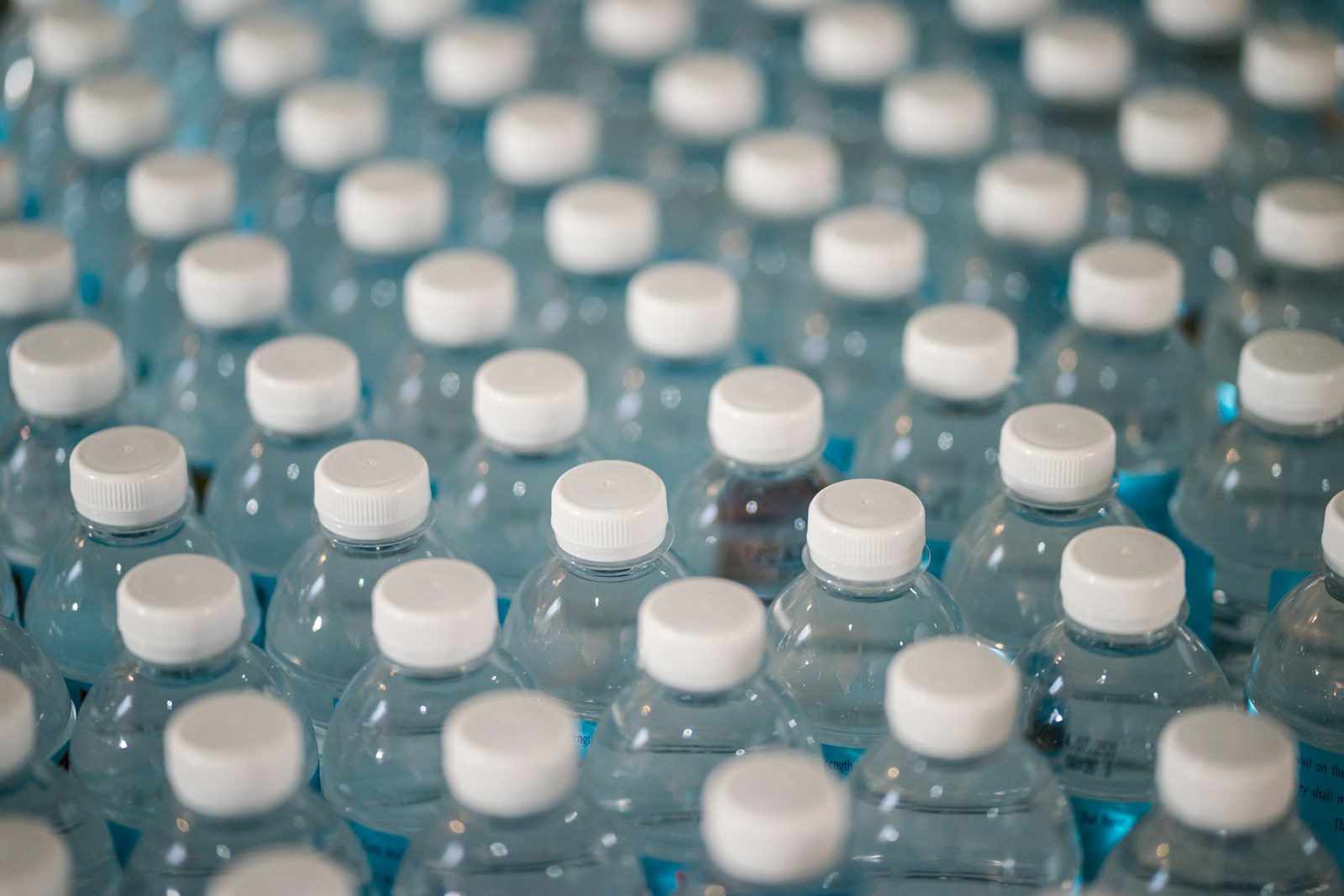
This emergency water calculator helps UK households estimate how much safe water to keep for a supply interruption, power cut, severe weather event or other short disruption. Choose a daily allowance, multiply it by the number of people and days, then add any separate requirements for infant feeding, medical equipment and pets.
The current UK Government water-outage guidance says there is no single standard amount because emergencies and household needs vary. It gives 2.5 to 3 litres per person per day as a survival drinking-water minimum and 10 litres per person per day as a more comfortable allowance that also covers basic cooking and hygiene.
These are planning quantities, not normal household consumption figures. During an incident, follow instructions from the water supplier, public-health authorities and emergency services. A boil-water notice, do-not-drink notice and do-not-use notice require different actions.
Emergency water calculator
Step 1: choose your daily allowance
| Planning level | Daily rate | What it covers |
|---|---|---|
| Lower drinking boundary | 2.5 litres per person | The lower end of the official survival drinking-water range. It leaves very little for anything else. |
| Drinking-water target | 3 litres per person | The upper end of the official survival drinking-water range. Use this for the drinking-only tables below. |
| Practical household allowance | 10 litres per person | Drinking plus limited food preparation and basic hygiene. It does not provide for normal showers, laundry or routine cleaning. |
Choose either the drinking-water rate or the practical rate. Do not add 3 litres and 10 litres together. The 10-litre allowance already includes drinking water.
Step 2: calculate the human baseline
Number of people × number of days × daily allowance in litres = baseline water requirement
| Worksheet entry | Your figure | Example |
|---|---|---|
| A. Number of people | __________ | 4 |
| B. Number of days | __________ | 3 |
| C. Daily allowance | __________ litres | 10 litres |
| Baseline: A × B × C | __________ litres | 4 × 3 × 10 = 120 litres |
For a drinking-only calculation using the upper end of the official range, four people for three days need 4 × 3 × 3 litres, which is 36 litres. At the lower 2.5-litre boundary, the same household would need 30 litres.
Step 3: add household-specific requirements
The basic calculation does not automatically cover every household need. Enter the additional daily quantity required, multiply it by the number of days and add each subtotal to the baseline.
| Additional need | Litres per day | Days | Subtotal |
|---|---|---|---|
| Infant feeding and feeding-equipment hygiene | __________ | __________ | __________ litres |
| Medical equipment, medicines or clinical care | __________ | __________ | __________ litres |
| Pets or assistance animals | __________ | __________ | __________ litres |
| Other household-specific use | __________ | __________ | __________ litres |
| Total additional water | __________ litres |
Baseline water requirement + total additional water = final emergency-water target
| Baseline water requirement | __________ litres |
| Total additional water | __________ litres |
| Final emergency-water target | __________ litres |
Step 4: calculate bottles or containers
Divide the final water target by the capacity of each bottle or container. Always round the answer up to the next whole container.
Final target in litres ÷ container capacity in litres = number of containers
| Container size | For 30 litres | For 60 litres | For 120 litres |
|---|---|---|---|
| 500 ml | 60 bottles | 120 bottles | 240 bottles |
| 1.5 litres | 20 bottles | 40 bottles | 80 bottles |
| 2 litres | 15 bottles | 30 bottles | 60 bottles |
| 5 litres | 6 containers | 12 containers | 24 containers |
| 10 litres | 3 containers | 6 containers | 12 containers |
A mixture of sizes is often more practical than relying on one large format. Smaller bottles are easier to lift, pour and distribute, while larger containers use storage space more efficiently.
Three-day emergency water calculator table
UK Prepared uses three days as a practical first planning period. The drinking-only column uses 3 litres per person per day. The practical column uses 10 litres per person per day.
| People | Three-day drinking supply | Three-day practical supply |
|---|---|---|
| 1 | 9 litres | 30 litres |
| 2 | 18 litres | 60 litres |
| 3 | 27 litres | 90 litres |
| 4 | 36 litres | 120 litres |
| 5 | 45 litres | 150 litres |
| 6 | 54 litres | 180 litres |
The drinking-only figure is a constrained reserve. It leaves little or nothing for preparing food, washing hands, brushing teeth or cleaning feeding equipment. Where space and cost permit, the practical allowance provides a more useful starting point.
Seven-day emergency water calculator table
A longer reserve may be appropriate for rural homes, private water supplies, electrically powered wells or pumps, isolated properties and households with previous experience of lengthy interruptions.
| People | Seven-day drinking supply | Seven-day practical supply |
|---|---|---|
| 1 | 21 litres | 70 litres |
| 2 | 42 litres | 140 litres |
| 3 | 63 litres | 210 litres |
| 4 | 84 litres | 280 litres |
| 5 | 105 litres | 350 litres |
| 6 | 126 litres | 420 litres |
Water is heavy. One litre of water weighs approximately one kilogram before the container is included. A 280-litre reserve therefore contains about 280 kg of water. Use stable, low storage positions, distribute large quantities sensibly and do not overload shelves.
Adjusting the calculation for your household
Babies and infant formula
Count every household member in the baseline, then add any water needed for preparing feeds and cleaning or sterilising equipment. The UK Government’s household emergency-supplies guidance says ready-made or ready-to-feed formula is the best emergency option when boiling water or sterilising bottles may not be possible.
If ready-to-feed formula is stored, record it separately rather than counting it as bottled water. If powdered formula must be used, follow the NHS formula preparation instructions. Bottled water is not sterile, and the normal preparation quantities and temperatures must not be changed to conserve water.
Medical needs
Do not estimate medical water requirements from a generic allowance. Ask the clinical team, care provider or equipment supplier how much suitable water is required each day, what water quality is acceptable and what should happen if the supply is interrupted. Record that figure in the additional-needs table.
Pets and assistance animals
Animal needs vary by species, size, food type, health and temperature. Measure normal consumption over several representative days or ask a vet for an appropriate quantity. Add a reasonable allowance for spillage, bowl cleaning and hot weather rather than using a single generic figure for every animal.
Hot weather, illness and caring needs
Fluid and hygiene requirements may increase during hot weather or illness and where someone is pregnant, breastfeeding, very young, older or receiving care. Use professional health advice where a person is at increased risk of dehydration. Do not reduce necessary drinking because the calculated reserve is running low.
Food preparation
Dried pasta, rice, dehydrated meals, powdered drinks and other foods can consume a substantial part of a small water reserve. Add the water required by the planned meals or store more ready-to-eat food. Do not assume the drinking-only allowance also covers cooking.
What should count towards your emergency water total?
- Count sealed bottled water stored within its label instructions and date marking.
- Count water in properly prepared containers designed for potable water only if you have followed the container manufacturer’s cleaning and storage instructions.
- List shelf-stable drinks separately if you intend them to contribute to fluid intake. Do not replace the entire water reserve because plain water may still be needed for medicines, food and hygiene.
- Do not count water from a water butt, rainwater collector, pond, river, swimming pool, hot tub, central-heating system or dehumidifier as safe drinking water.
- Keep non-drinking water in clearly labelled containers and physically separate from the drinking supply.
- Do not count water that cannot be reached safely, lifted by household members or accessed during a power cut.
Current UK Government guidance recommends commercially bottled water rather than filling containers at home because it is sealed in a food-grade bottle for longer-lasting safety and quality. A water butt can provide separate non-drinking water for purposes such as watering plants or, when local instructions permit and sewerage is operating, toilet flushing.
Emergency water storage worksheet
| Date calculated | ____________________________ |
| Planning period | __________ days |
| Final emergency-water target | __________ litres |
| Water currently stored | __________ litres |
| Amount still required | __________ litres |
| Main storage locations | ____________________________ |
| Next inspection date | ____________________________ |
| Water supplier incident contact | ____________________________ |
- ☐ Check bottle and container seals for leaks, damage or contamination.
- ☐ Follow the manufacturer’s storage instructions and date marking.
- ☐ Rotate older bottled water into normal household use before replacing it.
- ☐ Store water in a cool, dark place away from sunlight, heaters, fuels, pesticides, cleaning chemicals and strong odours.
- ☐ Avoid uninsulated lofts, hot vehicles, greenhouses and other locations exposed to damaging temperature extremes.
- ☐ Use stable, low storage positions and avoid concentrating heavy containers on one shelf.
- ☐ Keep enough smaller bottles or manageable containers for children, older people and anyone with reduced strength or mobility.
- ☐ Do not block doors, stairs, fire exits, stop taps, consumer units or access to other emergency supplies.
- ☐ UK Prepared recommends checking the stored supply every six months and after any leak, flood, pest problem or storage-area damage.
Using the calculation during an outage
- Use safe water first for drinking, infant feeding, medical needs, taking medicines and preparing necessary food.
- Keep a daily record of the amount used and the amount remaining.
- Check the water supplier’s incident page and messages for collection points, bottled-water deliveries and expected restoration times.
- Follow any boil-water, do-not-drink or do-not-use notice exactly. Do not assume boiling or a household filter will solve every contamination problem.
- Do not use drinking water for showers, baths, laundry or routine cleaning during a serious shortage.
- Use official health advice rather than imposing unsafe fluid restrictions on children, older people, pregnant or breastfeeding people, anyone who is ill or anyone with medical needs.
- Contact the supplier promptly if someone registered for priority support has not received the expected assistance.
The UK Chief Medical Officers’ water and sanitation advice explains how drinking, handwashing and food preparation should be prioritised during a severe national outage. Instructions issued for the actual incident take priority over this planning calculator.
Emergency water resources and official guidance
- UK Prepare water-supply interruption guidance gives the current daily planning quantities, bottled-water recommendation and actions to take during an outage.
- UK Prepare household emergency guidance covers water, food, infant supplies, medicines and other items needed during disruption lasting several days.
- How Much Emergency Water Should You Store? explains the assumptions behind the calculator and how to choose between a drinking-only reserve and a more practical household supply.
- NHS baby-formula guidance explains safe preparation, sterilisation, water temperature and the limitations of bottled water.
- Drinking Water Inspectorate boil-water guidance explains which household uses require boiled water and why a cease-use notice requires different action.
- UK Chief Medical Officers’ water and sanitation guidance covers fluid priorities, higher-risk household members, handwashing and emergency use during a prolonged national power outage.
- Ofwat information on priority services explains additional assistance available from water companies in England and Wales to customers affected by age, disability or illness.