
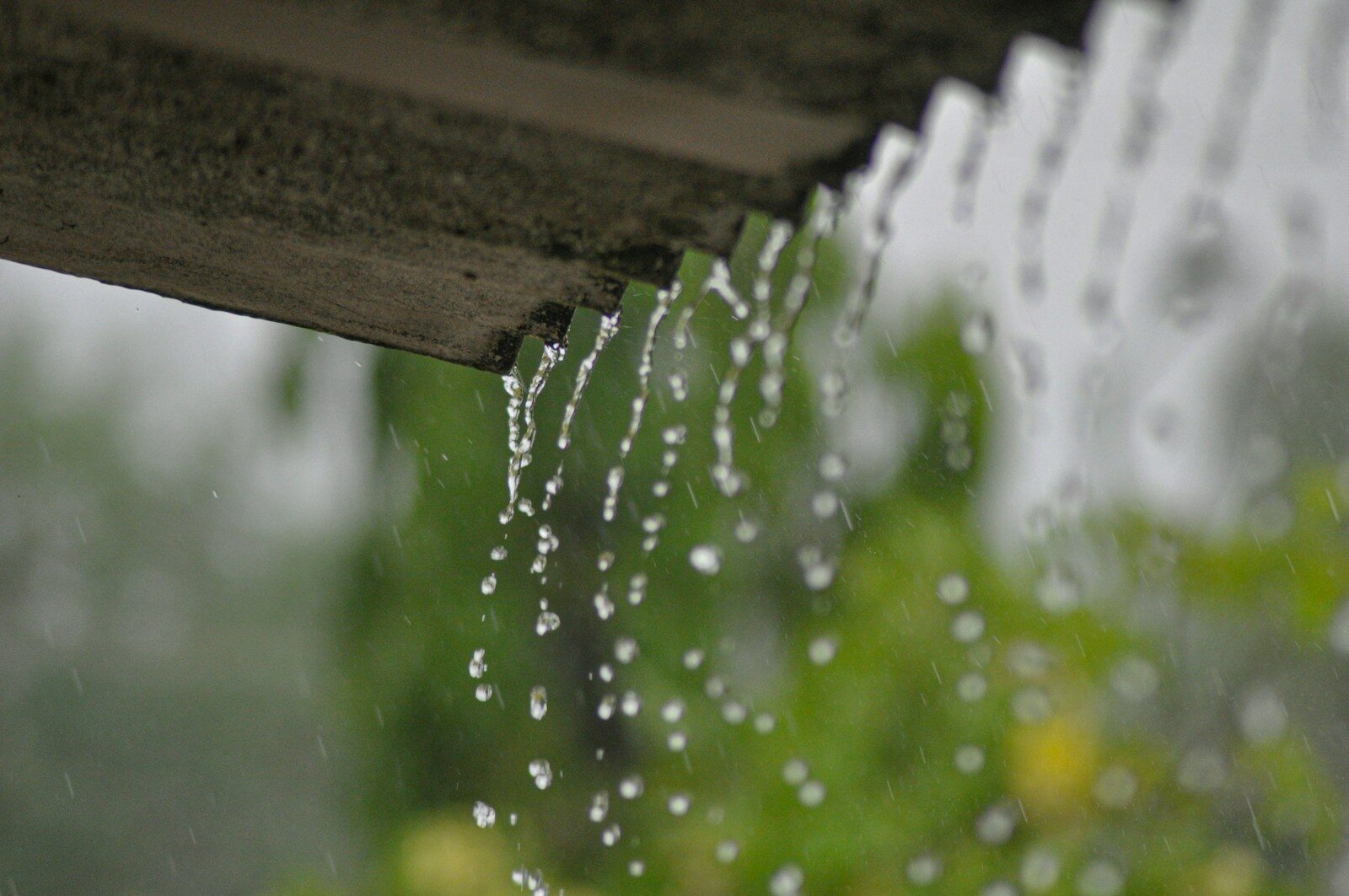
Rainwater harvesting is often worth it for a UK home if it means installing a simple water butt for garden use. A full system that pumps collected water to toilets, a washing machine and outside taps is a more difficult financial decision. It is most attractive during a new build or major renovation, or where a large roof and regular non-drinking demand can make good use of the water.
The useful question is not whether rain falls often in the UK. It is whether the property can collect enough water, at the right times, for uses that would otherwise consume chargeable mains water. Installation cost, storage space, maintenance, electricity use and the household’s charging arrangement all affect the result.
When is rainwater harvesting worth it?
| Option | Best suited to | Likely verdict |
|---|---|---|
| Single water butt | Garden watering, cleaning tools and occasional toilet flushing by bucket | Often worthwhile because the system is simple, cheap to run and useful without major building work |
| Linked above-ground tanks | Larger gardens, greenhouses and households with substantial summer watering | Worth considering where there is a suitable base, enough downpipe capacity and a safe overflow route |
| Underground tank with pumped garden supply | High outdoor demand where above-ground storage would be intrusive | Site dependent because excavation, pump access and maintenance add cost |
| Full domestic system | New builds, major renovations and homes with steady demand from toilets or laundry | Can reduce mains use, but financial payback is not automatic |
| Potable rainwater system | Specialist off-mains properties with professional treatment and monitoring | Rarely a proportionate choice for an ordinary mains-connected home |
A water butt also has value beyond bill savings. Rainwater is naturally soft and useful for many plants, particularly in hard-water areas. It can reduce demand on the mains during dry weather and provide non-drinking water during a supply interruption. These benefits may justify a small system even where the cash saving is modest.
A whole-house system has a higher hurdle. Retrofitting may require excavation, a storage tank, filters, a pump, controls, separate pipework, a compliant mains top-up and access for servicing. If the main objective is saving money, compare that complete installed and lifetime cost with the water charges the system can realistically avoid.
Work out how much rainwater the roof can collect
One millimetre of rain falling on one square metre produces one litre of water. A useful first calculation is:
Roof plan area in square metres × annual rainfall in millimetres = theoretical annual collection in litres
For example, a 50 square metre roof area with 800 mm of annual rainfall receives a theoretical 40,000 litres, equal to 40 cubic metres. That is not the amount the household will actually use. Some rain misses the collection route or is lost through filters and first-flush diversion. A full tank overflows, and an empty tank cannot meet demand during a dry spell.
Use the Met Office location-specific climate averages rather than a single national rainfall figure. Check monthly rainfall as well as the annual total. Garden demand is normally highest when rainfall is lower, while toilet flushing and laundry provide steadier year-round demand.
Measure the horizontal plan area of the roof feeding the chosen downpipes, not the sloping tile surface. A professional system design should also allow for roof material, filters, usable tank volume, local rainfall patterns and expected daily demand. The applicable design standard is BS EN 16941-1, which covers on-site non-potable rainwater systems.
Calculate the likely financial return
Direct bill savings depend heavily on how the household is charged. In England and Wales, the Consumer Council for Water explains that metered customers pay for recorded use plus a standing charge, while unmetered bills are not calculated from measured consumption. Charging arrangements differ in Scotland and Northern Ireland, so use the household’s actual bill rather than a generic UK tariff.
If reducing consumption does not change the bill, a rainwater system may still conserve treated mains water, support the garden and improve resilience, but its financial payback will be weak. Where charges vary with metered consumption, use this calculation:
Usable rainwater in cubic metres × avoidable charge per cubic metre = estimated annual gross saving
One cubic metre is 1,000 litres. Use the marginal water and wastewater charges that the system will genuinely avoid, not the whole bill divided by consumption. Standing charges normally remain. Then subtract pump electricity, replacement filters, servicing, cleaning and an allowance for repairs. A simple payback estimate is the complete installed cost divided by the annual net saving.
- Favourable conditions: a metered supply, a large clean roof, regular non-potable demand, easy tank access and installation during planned building work.
- Unfavourable conditions: an unmetered or largely fixed bill, a small or unsuitable collection area, low demand, difficult excavation and expensive retrofit pipework.
- Do not count maximum roof yield as savings: the tank may overflow when demand is low, run dry when demand is high or use mains top-up during long dry periods.
What can harvested rainwater be used for?
Ordinary roof water should be treated as non-potable. Leaves, dust, animal droppings and environmental pollutants can enter the system. A basic water butt does not make water safe to drink.
- Suitable simple uses: watering established plants, washing garden tools and some outdoor cleaning.
- Suitable only with a properly designed system: toilet flushing, clothes washing and a dedicated outside tap, subject to the system designer’s risk assessment and applicable requirements.
- Do not use untreated rainwater for: drinking, cooking, preparing food or infant formula, brushing teeth, washing food, filling paddling pools or any purpose that requires wholesome water.
The Royal Horticultural Society’s rainwater advice recommends a close-fitting lid, a leaf filter, regular use and annual cleaning for water butts. It also advises avoiding stored water on seedlings because it may contain plant pathogens.
Keep rainwater completely separate from drinking water
A plumbed rainwater system must not create a route for contaminated water to enter the mains supply. Water Regs UK states that an alternative supply must never be connected directly to mains drinking water. Where mains top-up is included, the supplies need compliant physical separation, normally through an appropriate air gap. Rainwater pipework, valves and outlets must also be clearly identified.
This is specialist plumbing work. Before commissioning a fixed system, ask the water supplier what must be notified and approved in the relevant UK nation. WaterSafe’s planning guidance lists rainwater harvesting among the types of work that may need notification and explains the nation-specific framework. Use a competent installer who understands the Water Fittings Regulations or Scottish Byelaws, BS EN 16941-1, backflow protection and identification of non-potable pipework.
If a drinking-water tap ever tastes unusual or produces cloudy or discoloured water after a rainwater system is installed, stop using it and contact the water supplier. A cross-connection is a public-health problem, not a fault to ignore until the next service.
Install a water butt safely
- Put the filled container on a firm, level base rated for its weight. One litre of water weighs approximately one kilogram.
- Use an opaque container with a secure, close-fitting lid and screened inlet. Prevent access by children, pets, insects and debris.
- Fit a suitable downpipe diverter or overflow and direct excess water somewhere it will not cause damp, erosion, icy surfaces or flooding.
- Keep gutters and filters clear. Empty and clean the butt if the water smells, and follow the manufacturer’s maintenance and winter instructions.
- Label any tap as non-drinking water. Avoid sprays that create fine aerosols from warm, stagnant water.
- Check whether the roof has contaminants or treatments that make its runoff unsuitable for the intended use.
The Environment Agency’s position for England confirms that roof rainwater kept separate from inland water and groundwater normally does not need an abstraction licence. This does not remove the need to comply with plumbing, drainage, planning, building or environmental requirements that apply to the particular installation.
Allow for maintenance and power cuts
A larger system is not fit-and-forget equipment. Its filters, gutters, tank, pump, controller, top-up arrangement, warning labels and overflow all need inspection. Confirm who can access an underground tank, how sludge will be removed, what replacement parts cost and what happens if the pump or control unit fails.
Most full domestic systems depend on electricity to pump water from storage. A direct-pressure system will normally stop supplying outlets in a power cut. A header tank may provide a limited gravity-fed quantity, but its pump cannot replenish the tank without power. Ask the installer to document the failure mode, safe bypass arrangements and any backup requirement.
Rainwater is useful resilience water, but it is not a substitute for a safe drinking reserve. The UK Government’s water-outage guidance says water-butt water can be used for toilet flushing or plants but should not be drunk. Keep a separate supply based on how much emergency water your household needs, and follow the supplier’s instructions on what to do during a water supply outage.
Questions to answer before buying a system
- Which roof areas and downpipes can feed the system safely?
- What are the local monthly rainfall figures, not just the annual average?
- How many litres of non-potable water will the household genuinely use each month?
- Does reducing metered consumption lower the actual bill, and by how much per cubic metre?
- What is included in the installed price, including excavation, electrics, controls, commissioning and making good?
- What are the annual energy, filter, cleaning and servicing costs?
- How are mains water and rainwater physically separated and labelled?
- What happens during drought, frost, pump failure and a power cut?
- Where does overflow go when the tank is full?
- What permissions, supplier notifications or approvals are required?
Renters should obtain written permission before altering a downpipe or fixing a tank to the property. Flat owners may also need the freeholder or building manager’s consent because roofs, drainage and outside areas are often communal. A removable water butt connected with permission is more realistic than a private whole-building system in many flats.
For most existing homes, the sensible progression is to reduce waste, install one well-sited water butt, observe how quickly it fills and empties, then add linked storage only if real demand supports it. A full domestic system should follow measured demand and a proper design, not the assumption that the biggest tank must deliver the biggest saving.
Rainwater harvesting resources
- The Environment Agency rainwater harvesting position explains when collected roof water can be used in England without an abstraction licence.
- Water Regs UK guidance on alternative water supplies explains separation from mains water, air gaps, notification and pipe identification.
- WaterSafe’s plumbing work guidance helps householders check notification requirements and find an approved contractor.
- The UK Water Reuse Association’s rainwater harvesting overview describes full domestic system types, components, applications and the role of BS EN 16941-1.
- The Met Office climate averages tool provides monthly and annual rainfall information for assessing local collection potential.
- The RHS guide to collecting and using rainwater covers water-butt siting, lids, filters, cleaning and safe garden use.
- The UK Government water-outage guidance distinguishes non-drinking rainwater uses from the bottled water a household should keep for essential needs.