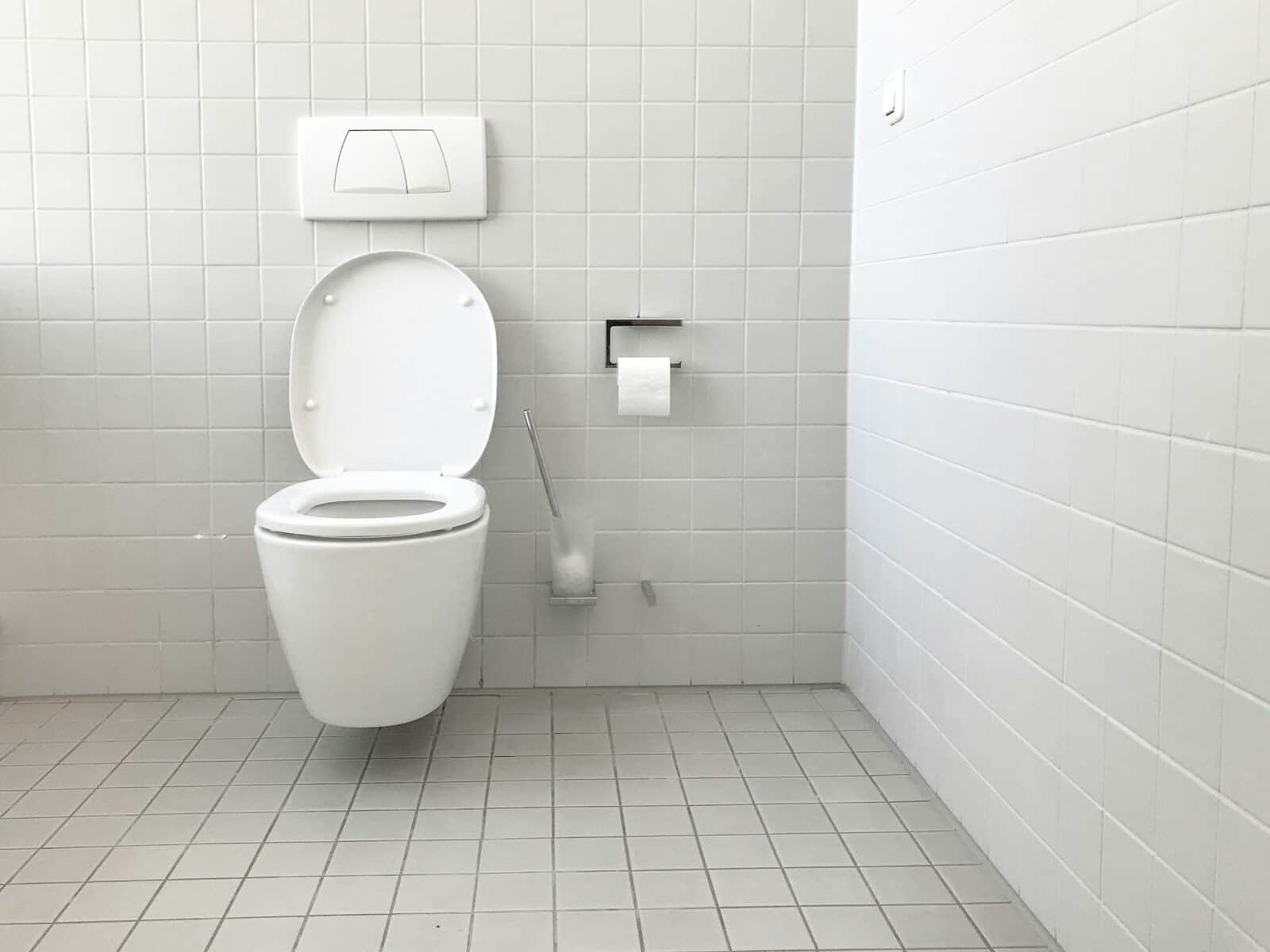
Yes, you can use rainwater to flush toilets in the UK. Rainwater collected in a water butt can be poured into a toilet during a mains water interruption, while a properly installed rainwater harvesting system can supply toilet cisterns throughout the year. Both methods reduce the need to use treated drinking water for flushing, but they involve very different costs, equipment and practical considerations.
For most households, keeping rainwater available for occasional emergency use is the simplest option. A permanent system can reduce mains water consumption, particularly in a property with a water meter, although installation costs and maintenance mean it is not always financially worthwhile.
Is rainwater safe for flushing toilets?
Rainwater is generally suitable for flushing toilets without being treated to drinking water standards. Toilet flushing is a non-potable use, meaning it does not require water of the same quality as that supplied to drinking taps.
However, rainwater collected from a roof can contain dirt, bird droppings, leaves, microorganisms and other contaminants. It should not be assumed safe for drinking, cooking or personal hygiene. The UK Government’s water supply interruption guidance specifically recommends water butts as a source of water for toilet flushing and garden watering, while warning against drinking untreated water from them.
For an occasional manual flush, ordinary rainwater from a reasonably clean water butt is suitable. Avoid using water suspected of contamination by sewage, fuel, pesticides or other hazardous chemicals. A permanent harvesting system should incorporate suitable filtration and be designed to manage the quality of the water entering its storage tank and plumbing.
How to flush a toilet using rainwater from a water butt
If the mains water supply stops but the sewerage system is still working, a conventional gravity-flush toilet can normally be flushed using a bucket of rainwater. This does not require a pump, electricity or alterations to the plumbing.
- Fill a clean, manageable bucket with rainwater from your water butt.
- Check that the toilet is draining normally and that there are no instructions from your water company to stop flushing.
- Lift the toilet seat and pour the water directly into the bowl at a controlled but reasonably brisk rate. The flow should be sufficient to initiate the toilet’s normal siphoning action.
- Allow the toilet to clear and the water level to settle. Avoid pouring so forcefully that water splashes out of the bowl.
- Wash your hands afterwards, taking care not to contaminate drinking water containers or food preparation surfaces.
This method is recommended by South West Water in its advice for supply interruptions. The volume required varies with the toilet’s design and how quickly the water is poured.
Alternatively, some conventional toilets can be flushed by carefully filling an accessible cistern with rainwater and using the usual flush mechanism. Follow the toilet manufacturer’s instructions and do not dismantle concealed cisterns or interfere with plumbing to do this.
These methods are intended for toilets that can discharge waste without an electrically powered pump. Macerating toilets and pumped drainage arrangements may not work during a power cut, even when water is available.
When should you not flush a toilet with rainwater?
Having water available does not guarantee that flushing is safe. A normal interruption to the mains water supply is different from a failure of the sewerage network.
If drains are blocked, sewage is backing up, or the water company or local authority has instructed residents not to flush, do not add more water to the toilet. Contact the relevant service provider and follow its sanitation advice.
There is also an important distinction during a severe, widespread power failure. The UK Chief Medical Officers’ public health advice for a national power outage, published in December 2025, assumes that sewage removal will not be operating and instructs households not to flush toilets. This advice is specific to that exceptional emergency scenario, rather than an ordinary local mains water interruption.
Can a rainwater harvesting system automatically flush toilets?
Yes. A domestic rainwater harvesting system can collect water from a roof, store it in a tank and supply one or more toilet cisterns through dedicated pipework.
A typical system incorporates several components:
- Roof collection: Gutters and downpipes direct rainwater towards a storage tank.
- Filtration: Suitable filters remove leaves and other debris before water reaches the tank or internal plumbing.
- Storage: An appropriately sized tank holds collected rainwater until it is needed.
- Water delivery: A pump normally delivers water to the toilet cistern, either directly or through a header tank.
- Separate pipework: Dedicated pipes supply non-potable rainwater without exposing the drinking water distribution system to contamination.
- Mains backup: A correctly designed arrangement can provide mains water when stored rainwater is insufficient, using an approved physical separation arrangement.
The system may operate automatically, so flushing feels no different from using an ordinary mains-fed toilet. However, pump-driven systems still depend on electricity unless an appropriate backup arrangement exists. A rainwater tank alone does not guarantee automatic toilet flushing during a power cut.
Some systems use a gravity-fed header tank, but electricity may still be required to replenish it from the main rainwater storage tank. The UK Water Reuse Association’s rainwater harvesting guidance explains the main system types and identifies BS EN 16941-1:2018 as a relevant design, installation and maintenance standard.
What are the UK rules for using rainwater in toilet plumbing?
Using a bucket of collected rainwater to flush a conventional toilet is very different from permanently connecting rainwater storage to a property’s plumbing.
Permanent systems must comply with the relevant water fittings requirements. England and Wales operate under water fittings regulations, Scotland has its own water byelaws, and Northern Ireland has separate water fittings regulations.
The central requirement is to prevent contaminated or non-potable water from entering the mains drinking water supply. Rainwater must not be connected directly to drinking water pipework. Where a mains backup is required, the arrangement normally involves an appropriate break tank and Type AA or Type AB air gap, designed for the application.
Water Regs UK explains the requirements for alternative water supplies, including separation, backflow protection, pipe identification and notification of the relevant water undertaker.
Before commissioning a permanent installation, contact your water supplier and use a plumber or specialist installer experienced in compliant rainwater harvesting systems. The requirements can include advance notification and approval. Non-potable pipework must be distinguishable from drinking water pipework.
In England, the Drinking Water Inspectorate also treats a rainwater supply used for domestic toilet flushing as falling within the scope of private water supply regulations. It advises that toilet-flushing supplies should be risk assessed, with monitoring requirements determined by the risks identified. Check with the local authority about the requirements for a proposed permanent installation.
These compliance considerations do not mean that ordinary householders need a professionally installed harvesting system simply to carry a bucket of rainwater indoors during a temporary water interruption.
How much rainwater do you need to flush a toilet?
The amount depends on the toilet. According to the Consumer Council for Water, dual-flush toilets generally use around 4 to 6 litres per flush, while some older toilets can use up to 13 litres.
For planning purposes, using 5 litres per flush provides a straightforward illustration. This is not a guarantee of the amount required by every toilet, particularly when using the bucket method.
| Rainwater available | Approximate 5-litre flushes |
|---|---|
| 50 litres | 10 |
| 100 litres | 20 |
| 200 litres | 40 |
| 500 litres | 100 |
These figures assume that all the stored water is usable and that each flush requires exactly 5 litres. They are useful for estimating storage capacity, not predicting how long a tank will last in practice.
For example, a household of four people making four flushes each per day would use approximately 80 litres daily at 5 litres per flush. A full 200-litre water butt would therefore provide about two and a half days of flushing, assuming no additional rainfall and no other water use.
A permanent harvesting system needs more careful sizing. Roof area, local rainfall, storage capacity, household occupancy and actual flushing demand all affect how often rainwater will be available. A large tank does not necessarily provide a dependable supply during a prolonged dry spell.
Will flushing toilets with rainwater save money?
Using rainwater instead of mains water can reduce metered water consumption. However, the financial benefit depends on how much rainwater replaces mains water, the water supplier’s tariff and the costs of collecting and delivering it.
Consider a four-person household averaging four flushes per person each day, with 5 litres used per flush. This represents 80 litres daily, or 29,200 litres (29.2 cubic metres) over a year.
If rainwater supplied every one of those flushes, the household would avoid using 29.2 cubic metres of mains water annually. That is a theoretical maximum for this example, not a prediction. Actual savings would be lower whenever stored rainwater ran out or the system used mains backup.
To estimate the potential annual saving, multiply the expected cubic metres of mains water displaced by the applicable water supply charge per cubic metre. Check wastewater charges separately rather than assuming that the whole combined water and sewerage tariff will be saved. Rainwater used for flushing still normally enters the foul sewer.
Households without a water meter generally have no immediate reduction in their water bill from using less mains water, because their bills are not normally calculated from measured consumption.
A professionally installed harvesting system can cost thousands of pounds once storage, filtration, pumps, plumbing alterations and installation are included. Ongoing maintenance, electricity consumption and replacement parts add to the cost. The Centre for Alternative Technology’s assessment of rainwater reuse explains why domestic installations do not always recover their costs or deliver the expected environmental benefits.
Rainwater harvesting is therefore worth considering during a new build, major renovation or property development where separate plumbing can be incorporated from the outset. Retrofitting an existing house solely to reduce toilet flushing costs may be difficult to justify financially.
Using a water butt for emergency toilet flushing
A water butt is a practical household resilience measure because it can be useful for garden watering in normal conditions and provide a reserve of non-drinking water when the mains supply is interrupted.
For occasional emergency flushing, a simple collection arrangement is usually sufficient. The following precautions help keep stored rainwater usable:
- Keep the lid fitted: Limit access by children and animals, and reduce the entry of insects, leaves and other debris.
- Maintain gutters and filters: Remove accumulated leaves and dirt so that less material enters the storage container.
- Use a stable base: Place the water butt on a firm, level support suitable for the weight of a full container.
- Manage overflow: Ensure excess rainwater drains to a suitable location without creating flooding or damp problems around the property.
- Protect against freezing: Follow the manufacturer’s winter guidance to reduce the risk of damage to taps, fittings and the container.
- Keep containers separate: Clearly distinguish buckets used for untreated rainwater from containers used to store drinking water.
- Check water condition: Inspect the stored water and clean the container when necessary, particularly if sediment, unpleasant odours or substantial biological growth develop.
Do not add household bleach or other chemicals to a water butt simply because the water might later be used for flushing. Ordinary collected rainwater does not normally need drinking-water disinfection for this purpose.
Manual flushing is less convenient than an automatic system, especially if several people use the toilet frequently. Carrying heavy buckets upstairs can also be impractical. A full 10-litre bucket contains approximately 10 kg of water before accounting for the bucket itself, so smaller quantities may be more manageable.
What about flats, rented homes and properties without a garden?
Rainwater collection is easiest in a property with access to its own roof drainage and a suitable outdoor storage area. Flats and rented properties may have less flexibility.
Tenants should obtain their landlord’s permission before altering downpipes, installing fixed collection equipment or changing plumbing. Leaseholders may also need permission from the freeholder or management company, especially where roof drainage and communal areas are involved.
For properties without suitable outdoor space, storing a modest quantity of clean mains water for emergency sanitation may be more practical than attempting to install rainwater collection equipment. Drinking water and hygiene needs should take priority when storage space is limited.
For most households, the sensible approach is to start with a well-maintained water butt if outdoor space permits, use it for ordinary garden tasks, and keep a suitable bucket available for emergencies. A permanent toilet-flushing installation is a more substantial property improvement and should be assessed on its own costs and benefits.
Rainwater toilet flushing resources
- UK Government: Water supply interruptions or outages provides official household preparation advice, including rainwater storage, essential drinking water supplies and additional support during interruptions.
- South West Water: Preparing for an incident explains how households can use a water butt and bucket to flush toilets when their mains water supply is unavailable.
- Water Regs UK: Alternative water supplies explains the rules on separating rainwater from drinking water pipework, preventing backflow and notifying water suppliers.
- Drinking Water Inspectorate: Regulation 7 guidance includes guidance for private water supplies used solely for toilet flushing, particularly risk assessment and monitoring requirements in England.
- UK Water Reuse Association: Rainwater harvesting explains domestic rainwater collection, pumped and gravity-fed systems, mains backup arrangements and relevant technical standards.
- Consumer Council for Water: How much water do you use? provides typical household water consumption figures, including the volume used by different toilet types.
- Centre for Alternative Technology: Reusing rainwater and greywater offers a practical assessment of collection methods, domestic installation costs, energy use and the limitations of financial payback.
- UK Chief Medical Officers: Water and sanitation during a national power outage sets out public health advice for an exceptional national power failure, including what to do when sewage removal is unavailable.