
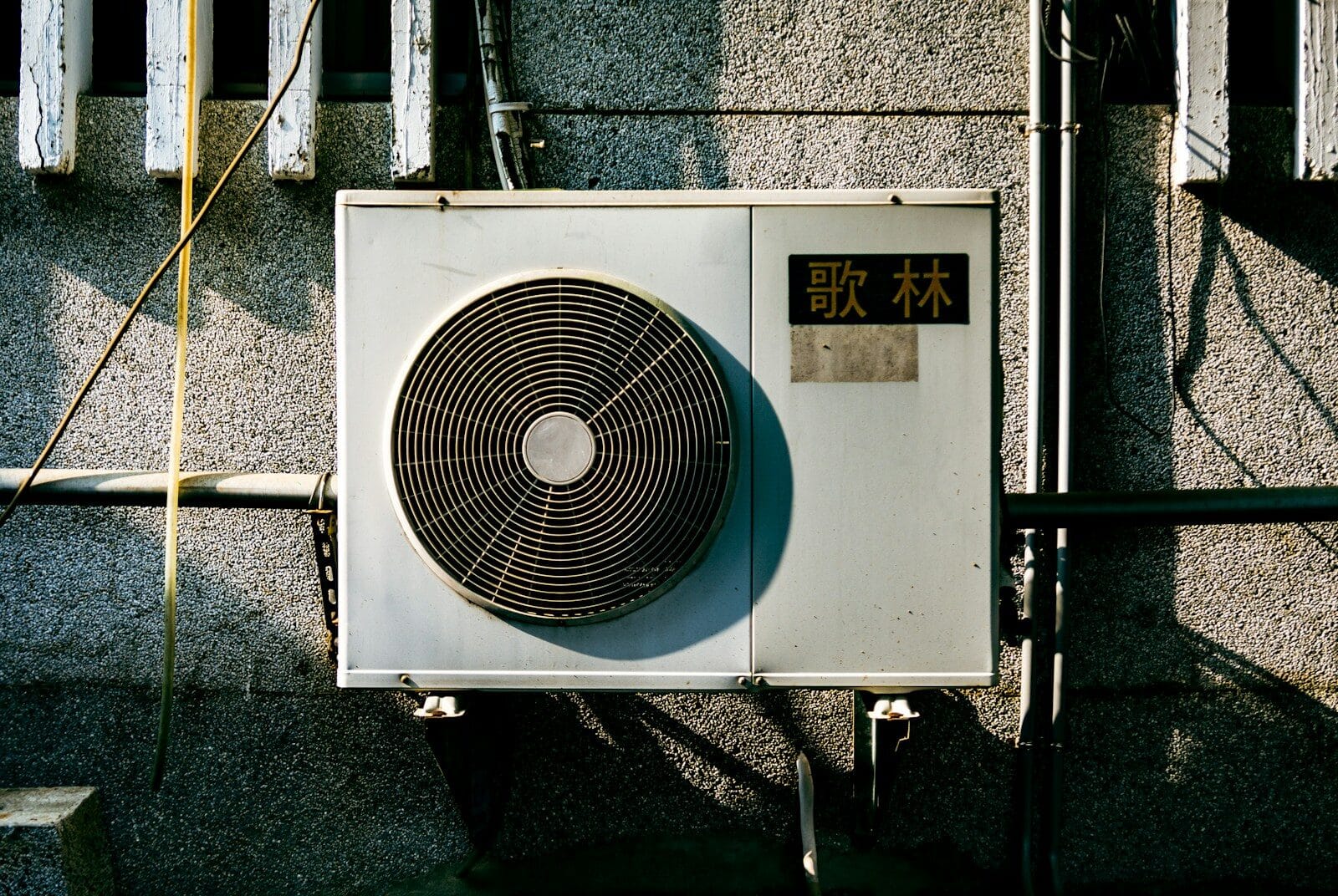
Heat pumps can be worth it for a UK home, particularly when replacing oil, LPG or direct electric heating, or when an old heating system needs replacing and a grant is available. Replacing a newer mains gas boiler may not reduce your bills, especially on a standard electricity tariff.
The decision depends on your current fuel, the full installed price after any grant, the heat pump’s expected performance in your home and the tariff you use. A good design matters as much as the equipment.
How does a heat pump work?
A heat pump uses electricity to move heat from outside air or the ground into your home. Most domestic installations in the UK are air source systems connected to radiators or underfloor heating. Ground source systems use buried pipes or boreholes and need suitable outdoor space. The Energy Saving Trust guide to heat pumps explains the main system types and how they work.
A heat pump can provide several units of heat for each unit of electricity it uses. But its real performance varies with outside temperatures, system design and the temperature of the water flowing through the heating system. Ask for the estimated Seasonal Performance Factor, or SPF, for your home. It is more useful for estimating annual performance than a product’s Coefficient of Performance, or CoP, measured under test conditions.
Will a heat pump work in a UK home?
Cold weather below freezing does not rule out a heat pump. It can still extract heat from cold air, although it works less efficiently as temperatures fall. Energy Saving Trust’s heat pump fact check covers performance in cold weather, insulation and radiator requirements.
Your home does not have to be fully insulated before you install a heat pump. However, reducing heat loss can lower the amount of heat the system needs to provide. Ofgem advises discussing practical energy efficiency improvements with the installer as part of the system design.
Check whether there is space for an outdoor unit and, in many systems, a hot water cylinder. Some radiators may need to be upgraded, but that depends on the heat loss from each room and the design temperature. Ask the installer to show which changes are needed and include them in the price. Also check the proposed outdoor unit’s location, access for maintenance and any planning requirements. If you rent or live in a flat, speak to your landlord, freeholder or building manager first.
How much does a heat pump cost?
Published cost estimates vary, particularly for ground source systems. These examples are before grants and should be treated as budgeting guides, not quotes.
| System | Published installed cost examples | Why the price can vary |
|---|---|---|
| Air source, air-to-water | About £12,000 in Energy Saving Trust’s guide. Home Energy Scotland reports an average of £13,000 in Scottish applicant invoice data. | System size, pipework, hot water cylinder, radiator upgrades and other work in the home. |
| Ground source | About £15,000 in Energy Saving Trust’s guide. Home Energy Scotland reports an average of £34,000 in Scottish applicant invoice data. Energy Saving Trust says a borehole installation can reach about £57,000. | Groundworks, boreholes, site access and changes to the heating system. |
The Scottish figures are based on applicant invoices from 2019 to 2025, with earlier costs adjusted for inflation. They include homes needing different levels of work, so they are not directly comparable with Energy Saving Trust’s broad estimates. Home Energy Scotland’s heat pump guide gives more detail about its cost data.
Ask each installer for a complete price that identifies any cylinder, radiator, pipework, electrical supply and groundworks costs. Make sure it also shows any grant deduction separately.
What grants are available across the UK?
As of October 2026, the main support depends on where you live. Check eligibility and available funding before arranging work.
| Where you live | Current support to check | Points to know |
|---|---|---|
| England and Wales | The Boiler Upgrade Scheme offers £7,500 for eligible air-to-water or ground source heat pumps, and £2,500 for air-to-air systems. Eligible off-gas-grid homes heated by oil or LPG may qualify for £9,000 towards an air-to-water or ground source system until 31 March 2027. | Eligibility rules apply and hybrid systems are not covered. The installer handles the grant application. |
| Scotland | Home Energy Scotland offers up to £7,500 as a grant for qualifying heat pumps, with an optional interest-free loan of up to £7,500. Some eligible rural and island homes may qualify for an additional grant uplift. | The system must provide all the home’s heating and hot water. Hybrid and air-to-air systems are not eligible for this funding. Wait for a written funding offer before work begins. |
| Northern Ireland | The Boiler Upgrade Scheme does not apply. NISEP’s 2026 to 2027 programme includes a limited number of air source heat pump installations for eligible households. | Check the current scheme list and availability before relying on funding. |
See Ofgem’s current Boiler Upgrade Scheme guidance, Home Energy Scotland’s grant and loan terms or the latest Northern Ireland energy grants information for the rules in your area. Funding can be limited and rules can change.
Will a heat pump lower your energy bills?
There is no single running cost for every home. Electricity generally costs more per unit than gas, so the heat pump’s seasonal performance and your tariff both affect the comparison. Replacing an older boiler, oil, LPG or direct electric heating may give a stronger case for lower running costs than replacing a newer, efficient gas boiler.
Home Energy Scotland estimates annual savings of around £80 to £170 for a semi-detached home switching from gas to a medium or high-performing heat pump. Energy Saving Trust’s 2026 tariff study found that most heat pumps in its standard flat-rate tariff scenarios cost the same or more to run than an efficient gas boiler. A suitable heat pump tariff improved the comparison, with savings of up to £330 a year in some scenarios. These estimates use different assumptions and are not a forecast for your home.
The Energy Saving Trust study used performance data from 546 homes and compared around 1.1 million system and tariff combinations. Its two to four year payback example is also scenario-specific: it factors in a grant, the cost of a gas boiler that would otherwise need replacing and a suitable tariff. It does not mean the full price of a heat pump is generally repaid in two to four years. Read the study’s assumptions and results.
If you keep gas for cooking or another appliance, you may still pay the gas standing charge. Include it in your comparison only if you expect to disconnect from the gas supply entirely.
What should you check before accepting a quote?
- Ask for the estimated SPF for your home and how it was calculated.
- Check which radiators, cylinder, pipework, controls or electrical works are included in the price.
- Ask how the outdoor unit will be positioned and whether planning permission or other approvals may be needed.
- Use an MCS-certified installer if you are applying for the Boiler Upgrade Scheme. Get at least three comparable quotes and take time to review them.
- Ask how the system should be operated and maintained, and what the warranty covers.
A heat pump and power cuts
A heat pump needs electricity to provide heat. If the grid goes down, it will stop unless a suitable backup supply has been specifically designed to run it. Do not assume a portable power station or home battery will operate the whole system. If maintaining heat during an outage matters to your household, plan for that separately using our home resilience checklist.
Are heat pumps worth it for your home?
A heat pump is most worth investigating when replacing oil, LPG, direct electric heating or an older boiler, especially if a grant is available and the home can accommodate a well-designed system. It can also make sense when a boiler is due for replacement, because the comparison should include the cost of the boiler you would otherwise buy.
If you have a newer gas boiler, the financial case may be weak on a standard tariff. Before deciding, compare the full installation price after grants, the installer’s SPF estimate, the tariff available to you and the running cost of keeping or replacing your current system. A well-designed heat pump can suit many homes, but the quote and projected costs should be specific to yours.
Heat pump resources
- Energy Saving Trust’s heat pump guide explains system types, efficiency, costs, running costs and planning considerations.
- Energy Saving Trust’s heat pump fact check covers cold weather, radiators, insulation and common questions about running costs.
- Energy Saving Trust’s tariff and technology study describes how tariffs affect the modeled running costs and savings of heat pumps.
- The GOV.UK heat pump suitability service provides an initial comparison based on your location, current heating system and home details.
- Ofgem’s Boiler Upgrade Scheme information explains grant values, installer requirements and eligibility in England and Wales.
- Home Energy Scotland’s grant and loan guidance sets out funding rules for homeowners in Scotland.
- Energy Saving Trust’s Northern Ireland grants page includes current information on NISEP and limited heat pump offers.
- The GOV.UK installer guidance explains MCS certification, comparing quotes and questions to ask before work starts.